Download this month's binocular and deep-sky tour charts. The charts are printed in black on white so they can be viewed under red light at your telescope.
Record your observations of Jupiter, Mars, Saturn, Venus and the Sun with our handy printable forms.
If you observe the Sun, remember NEVER to look at it with your naked eye; either project it through your telescope or use a solar filter on your telescope's front lens.
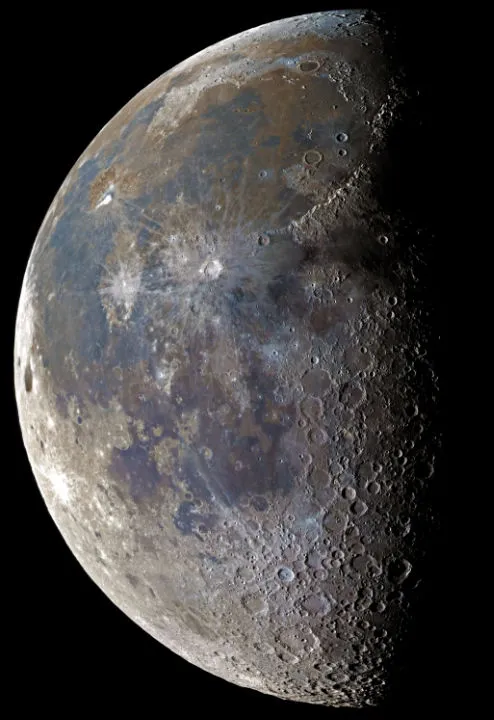
Mineral Moon Prabhakaran, Mleiha, United Arab Emirates, 15 February 2020. Equipment: ZWO ASI 290MC colour camera, GSO 16" Dobsonian reflector, EQ platform
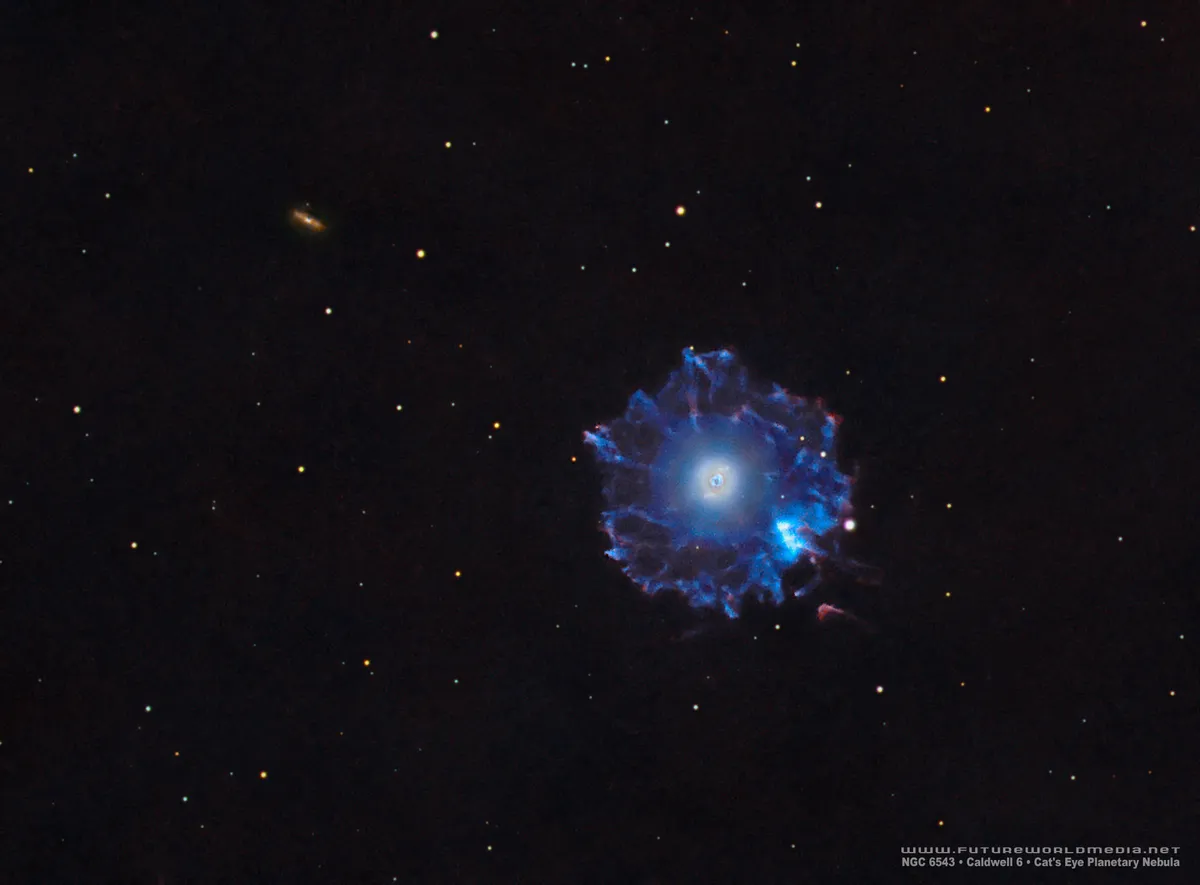
The Cat’s Eye Nebula Douglas Struble, Taylor, Michigan, USA, 8 June 2020. Equipment: ZWO ASI 1600MM Pro mono camera, Explore Scientific ED APO 165mm FPL-53 apo refractor, Astro-Physics GTO-Mach 1 mount
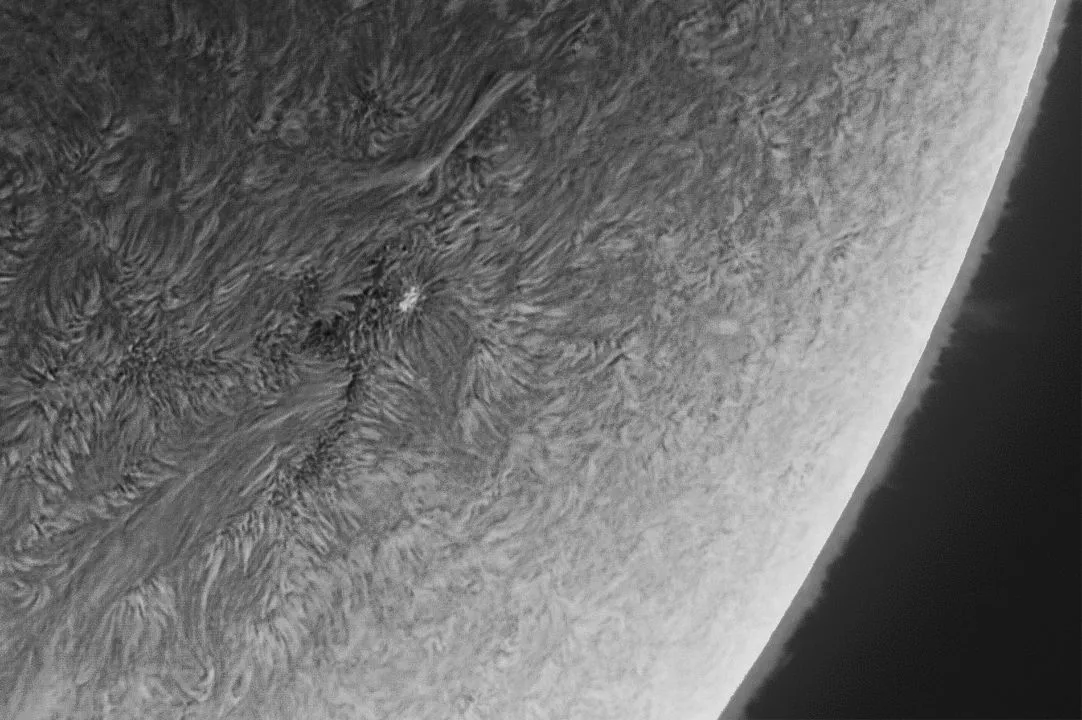
Sun spot Jean-Paul Desgrees, Chartres, France, 13 June 2020. Equipment: ZWO ASI 178MM mono camera, TS-Optics Photoline 130mm triplet apo refractor with Daystar Rejection filter and Daystar Quark H-alpha chromosphere eyepiece with UV-IR CUT filter, Sky-Watcher EQ8 mount
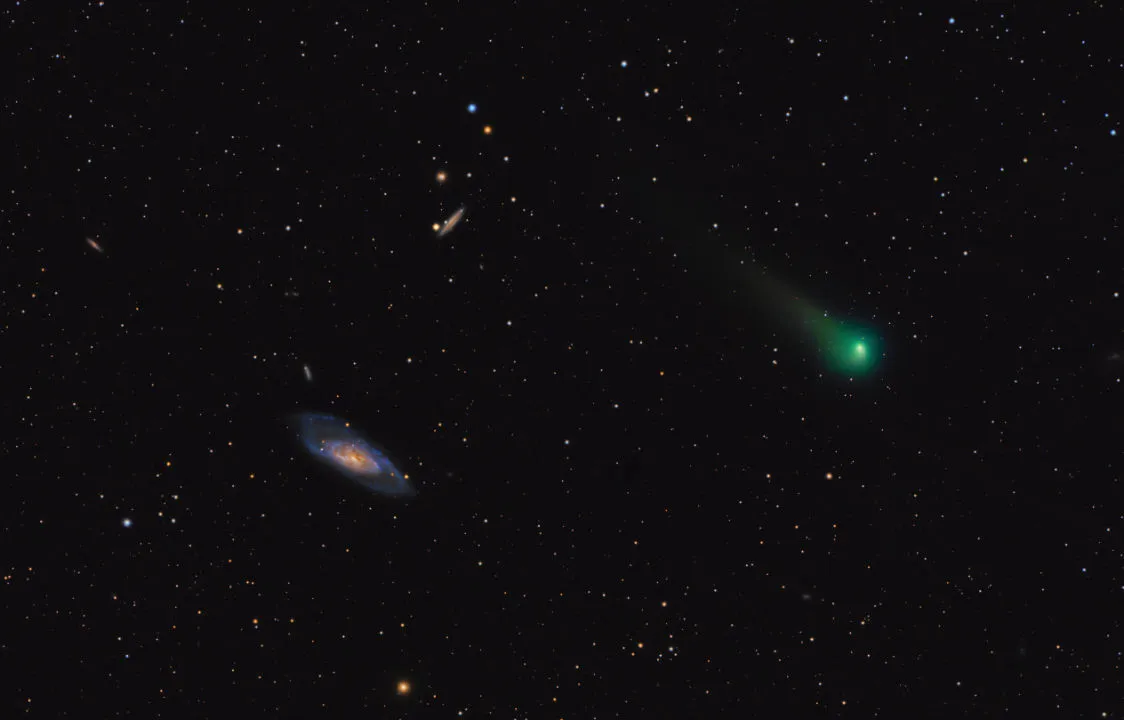
Comet C/2017 passing M106 Vivek Chari, Texas, USA, 24–25 June 2020. Equipment: Nikon D5300 DSLR, Stellarvue SV80 apo refractor, Sky-Watcher EQ6R Pro mount
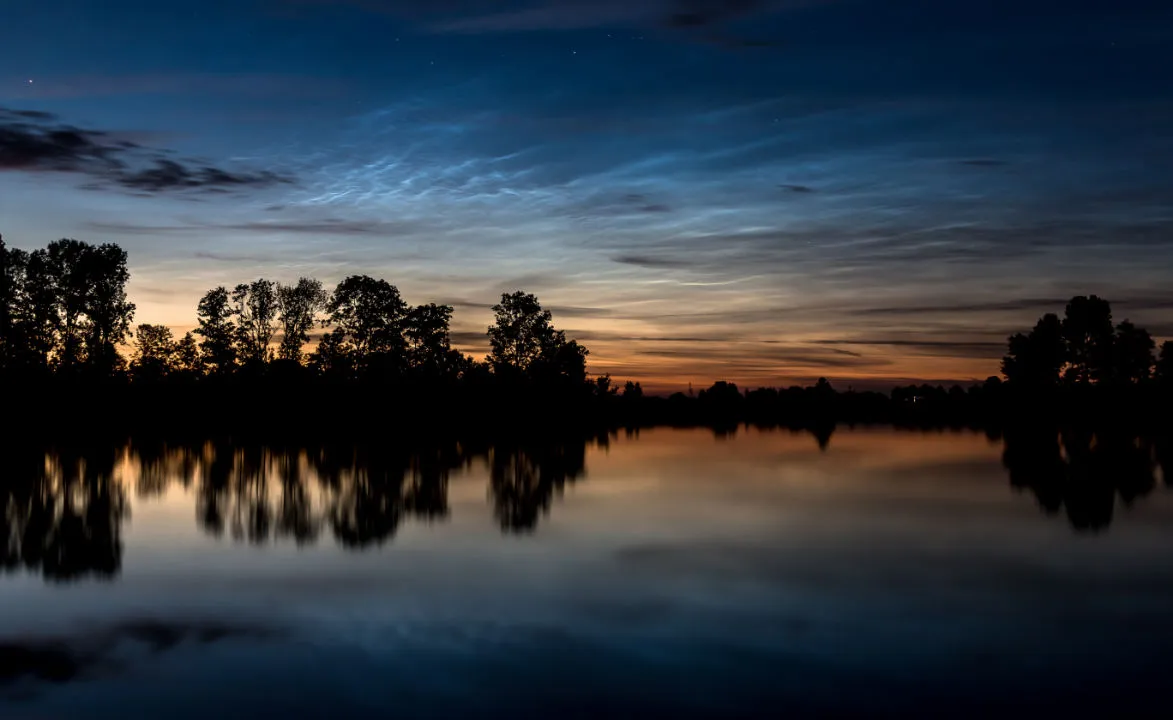
Noctilucent clouds Ronald van Dijk, Zwolle, Netherlands, 19 June 2020. Equipment: Canon 70D DSLR with Canon EF-S 18–135mm lens
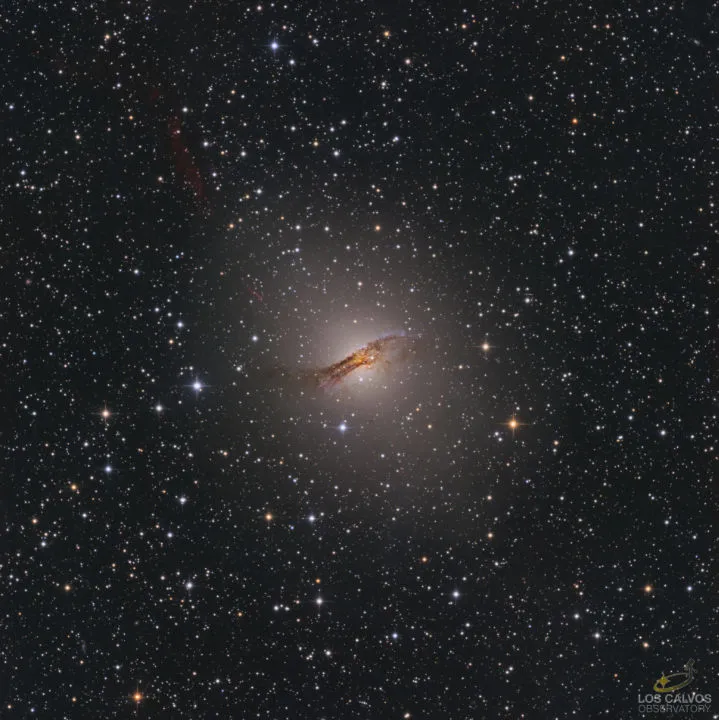
Centaurus A Fabio Mirra, Jean-Christophe Philippe & Didier Rediger-Lizlov, remotely via El Sauce Observatory, Chile, 15 April 2020. Equipment: Moravian Instruments G4-16000 camera, PlaneWave Instruments CDK 12.5" astrograph, Astro-Physics 1100 mount
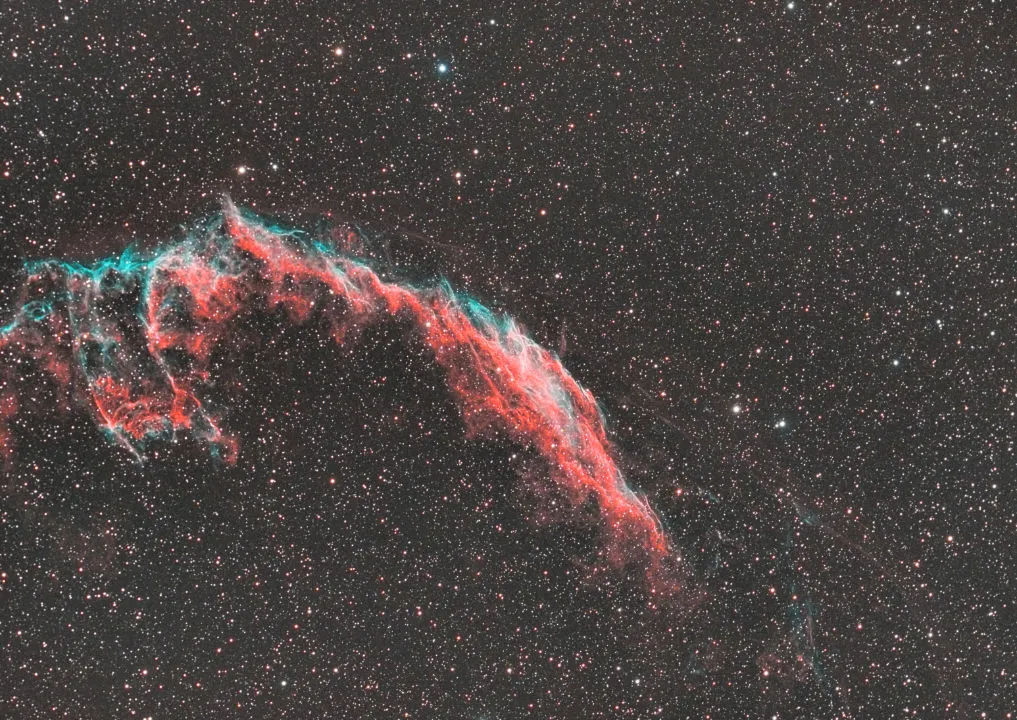
The Eastern Veil Nebula Michael Caller, Selsdon, Surrey, 23 and 24 June 2020. Equipment: Dual rig: ZWO ASI 1600MM Pro with Sky-Watcher Esprit 100 ED/ZWO ASI 183MC-Pro with William Optics RedCat 51, Sky-Watcher EQ6-R Pro mount
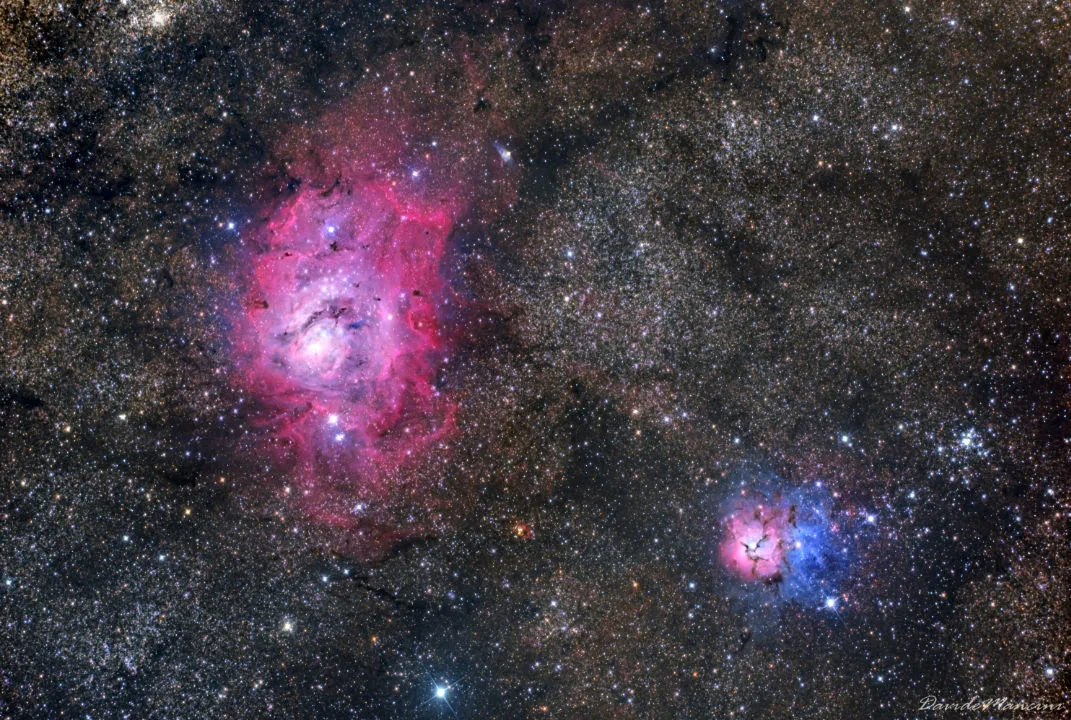
The Lagoon and Trifid Nebulae Davide Mancini, Perth, Australia, 25 June 2020. Equipment: ZWO ASI 2600MC Pro camera, SharpStar 150mm f/2.8 Newtonian, Sky-Watcher HEQ5 mount
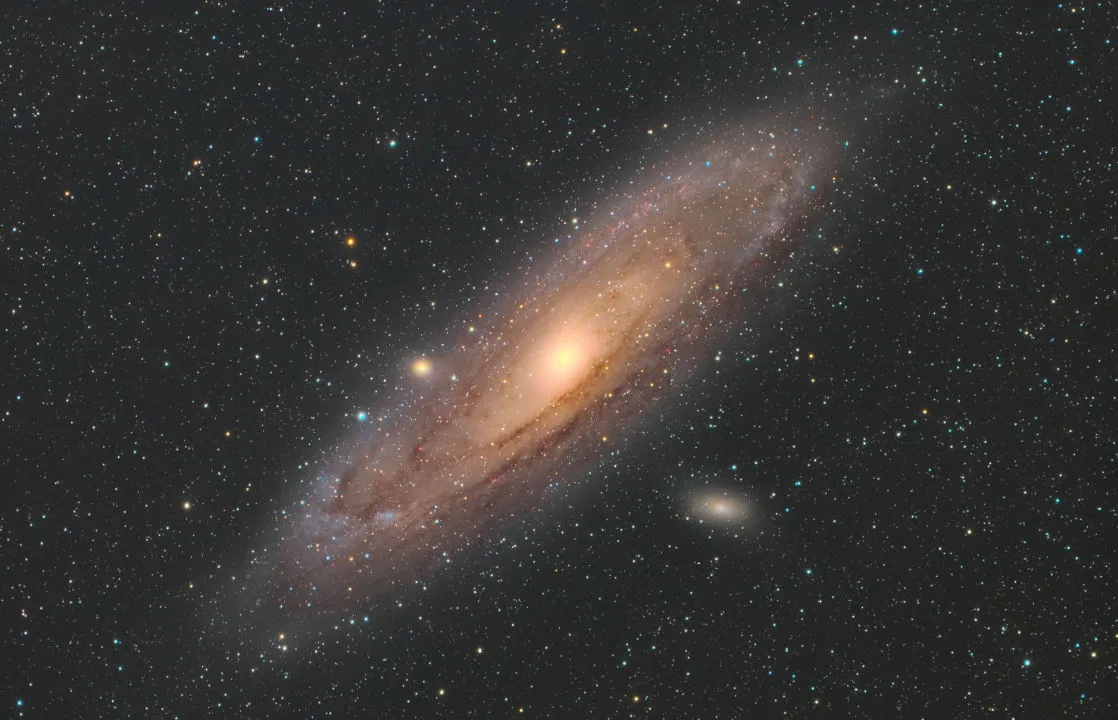
The Andromeda Galaxy Nishant Revur, Washington, USA, 19 June 2020. Equipment: ZWO ASI 294MC Pro colour camera, William Optics RedCat 51 apo refractor, Celestron Advanced VX mount
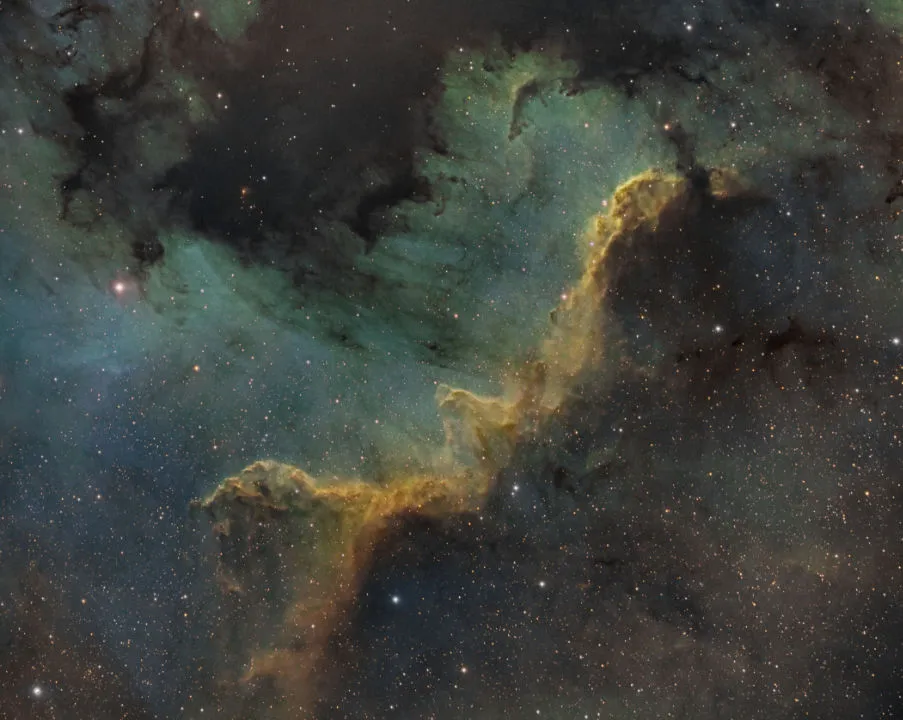
The Cygnus Wall Jason Burns, Kansas, USA, 22–24 June 2020. Equipment: QHY163M camera, Sky-Watcher 100ED Pro apo refractor, pier-mounted Celestron AVX
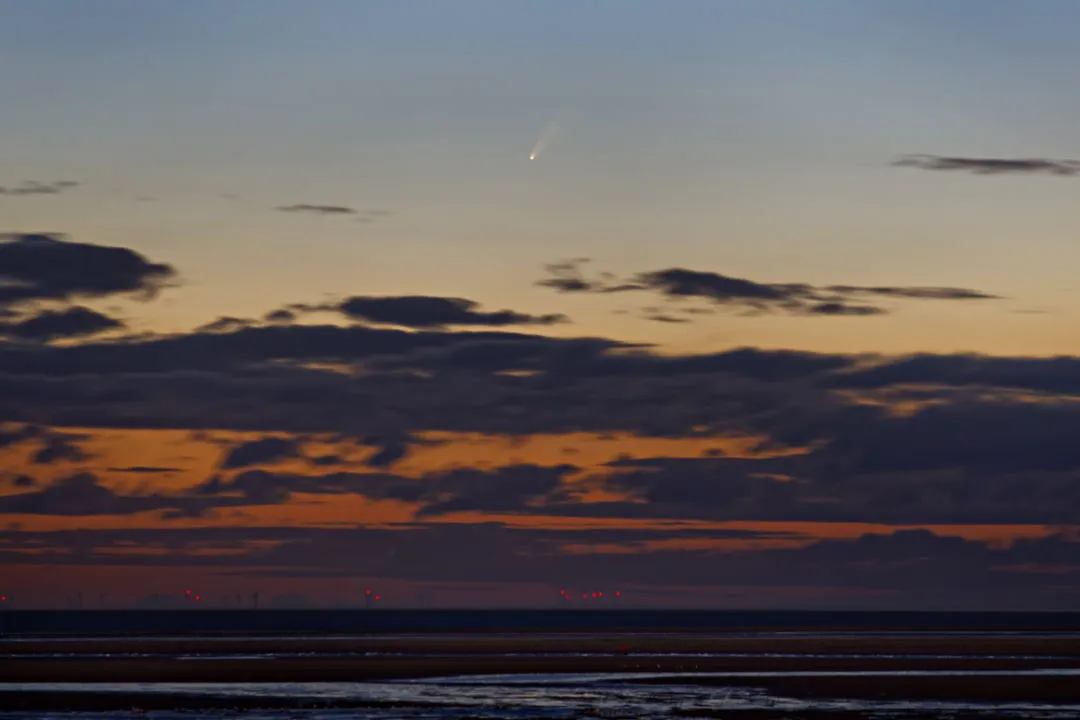
Comet C/2020 F3 (NEOWISE) Jamie Cooper, Norfolk, 6 July 2020. Equipment: Canon 6D DSLR with 100mm/200mm lenses
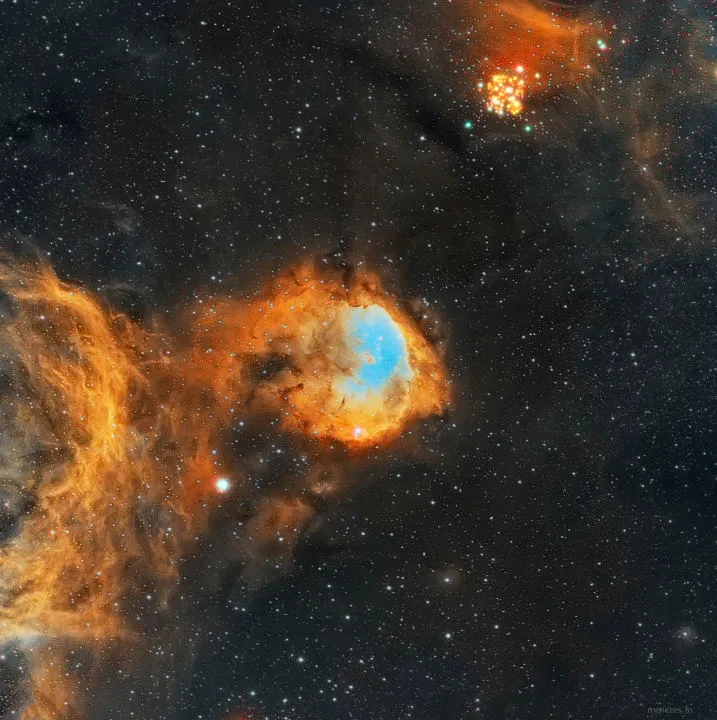
NGC 3324, Gabriela Mistral Nebula Fernando Oliveira de Menezes. Equipment: QHY 16200a camera, Sky-Watcher Esprit 150 apo triplet, iOptron CEM60 mount
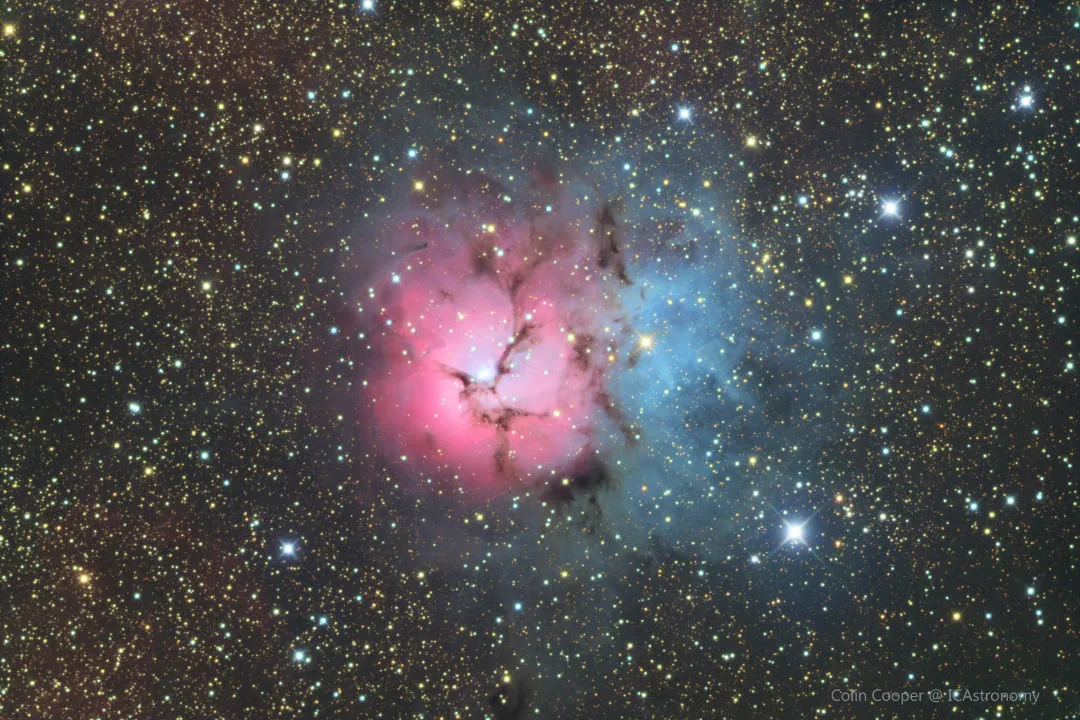
The Trifid Nebula Colin Cooper, remotely via ICAstronomy, Spain, May–June 2020. Equipment: Moravian G3-11000 camera, Officina Stellare RiDK 305, Paramount MEII mount
The Sun and plane, by Maja Majewska, Kew Bridge, London, 8 June 2020. Equipment: Canon EOS 6D camera, Sigma 150–600mm lens
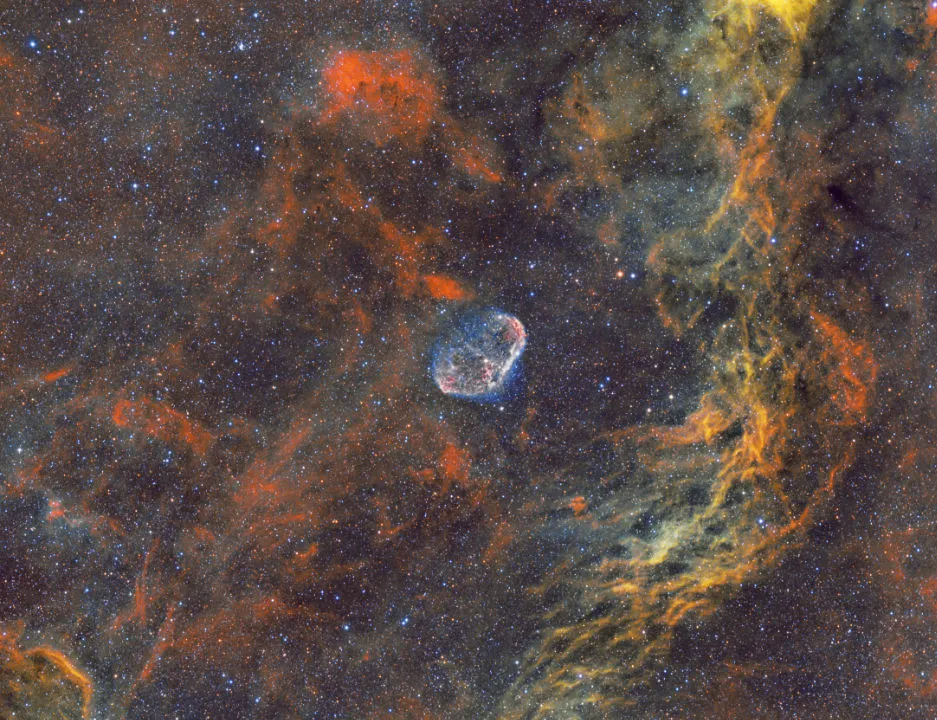
The Crescent Nebula Catalin Daniel Cosar, Henlow, Bedfordshire, June 2020. Equipment: Moravian G3-16200 camera, Tele Vue-NP101 apo refractor, Sky-Watcher EQ8 Pro mount
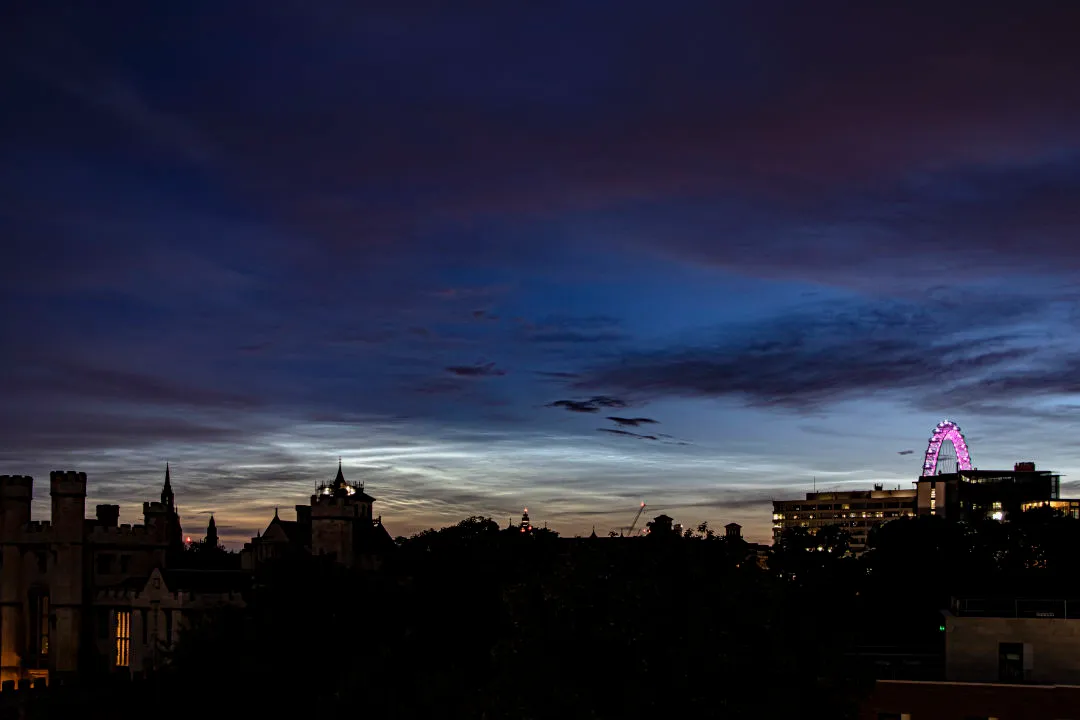
Noctilucent clouds over London Andy Parker, London, 17 June 2020. Equipment: Canon EOS M6 Mk2 mirrorless camera
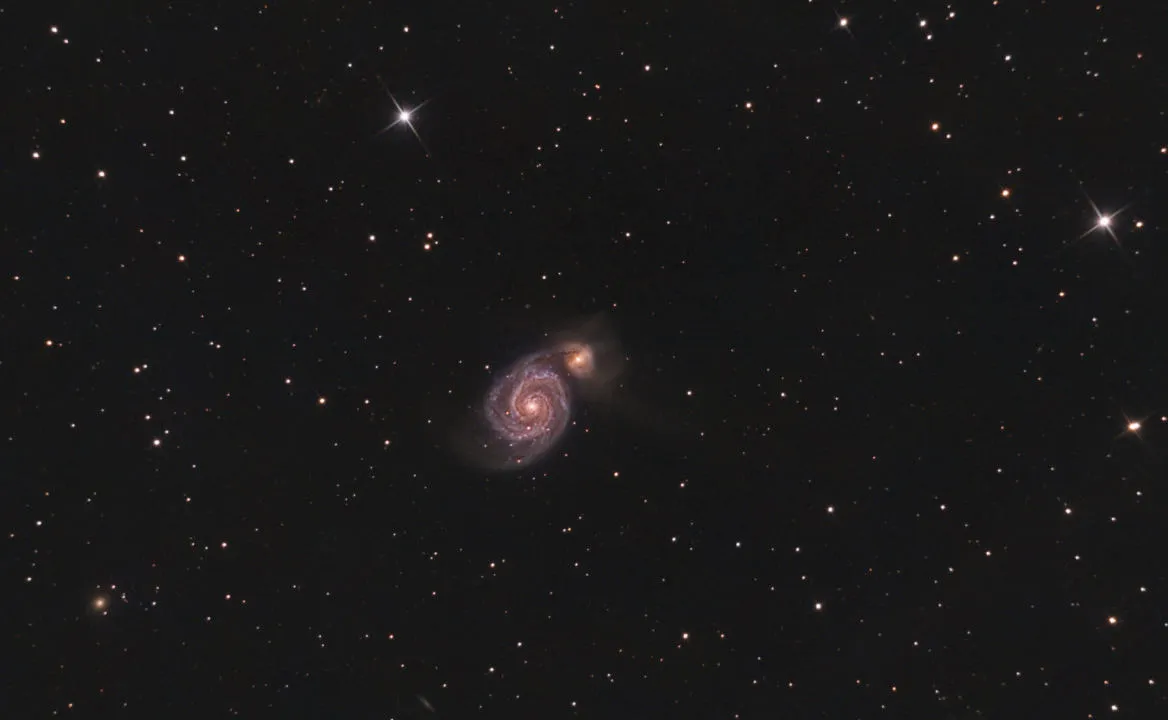
The Whirlpool Galaxy Daniel Mills, Hill Head, Hampshire, 15 May 2020. Equipment: Canon 600D DSLR, Sky-Watcher Explorer 130P-DS reflector, Sky-Watcher HEQ5 Pro mount
Eye on the sky
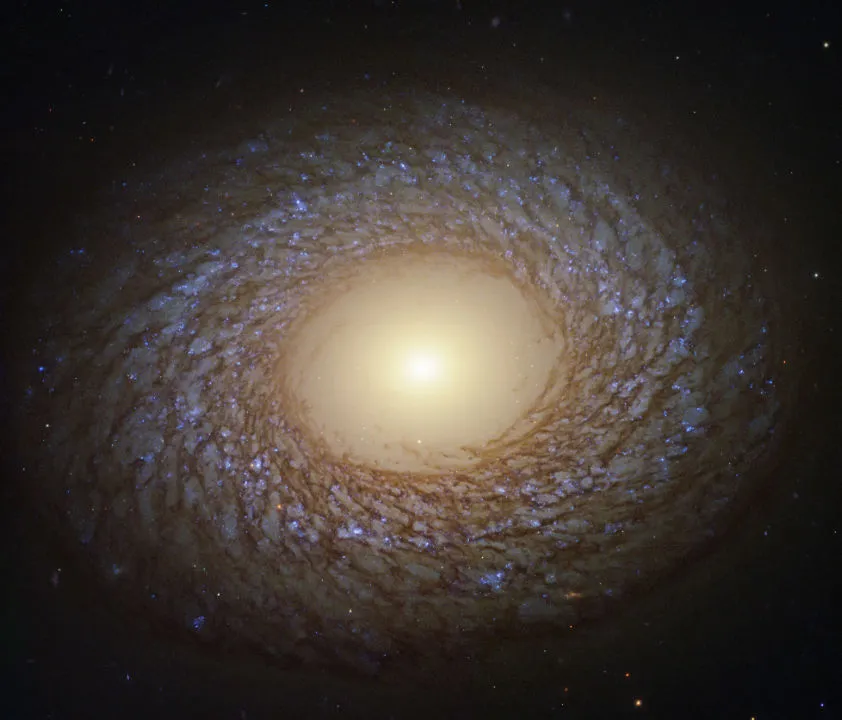
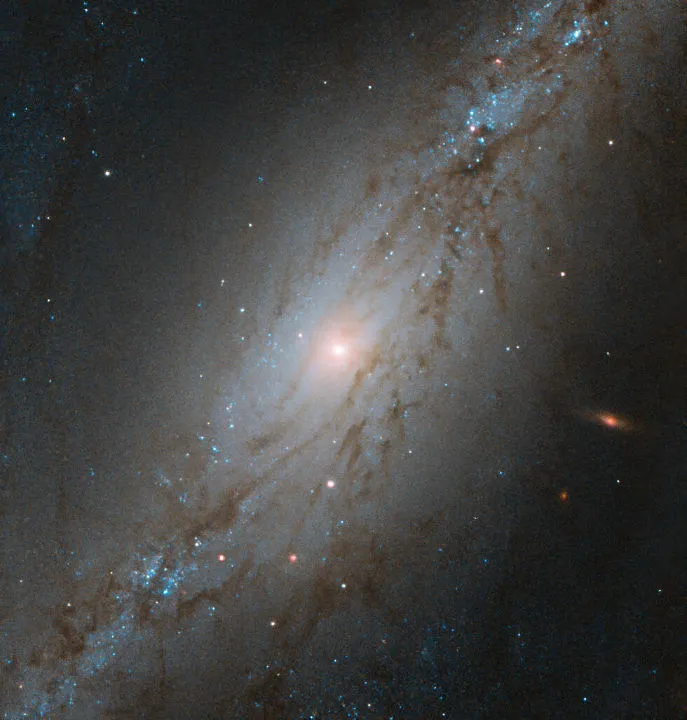
Flocculent galaxy NGC 2775 Hubble Space Telescope, 2 July 2020. Credit: ESA/Hubble & NASA, J. Lee and the PHANGS-HST Team; Acknowledgment: Judy Schmidt (Geckzilla)
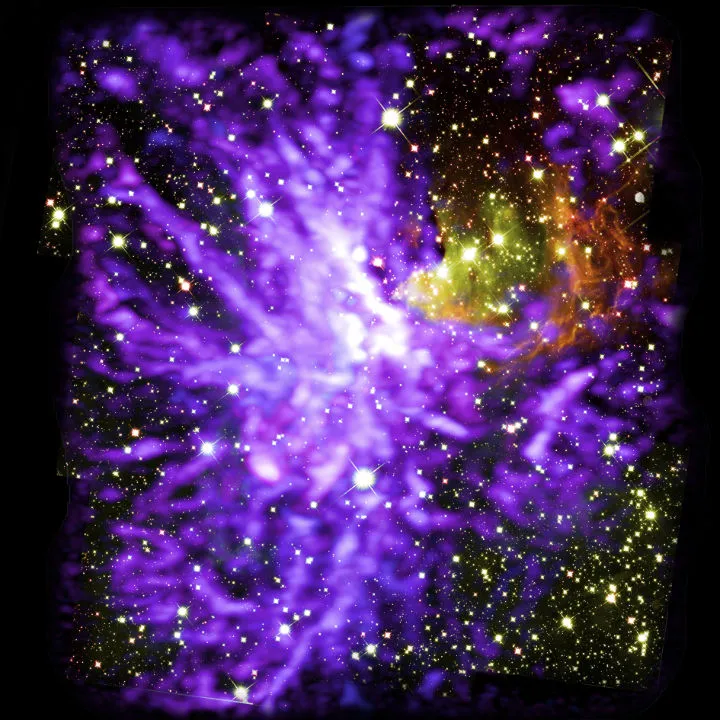
Star formation in cluster G286.21 0.17 Atacama Large Millimeter/submillimeter Array (ALMA), Hubbel Space Telescope. Credit: ALMA (ESO/NAOJ/NRAO), Y. Cheng et al.; NRAO/AUI/NSF, S. Dagnello; NASA/ESA Hubble.
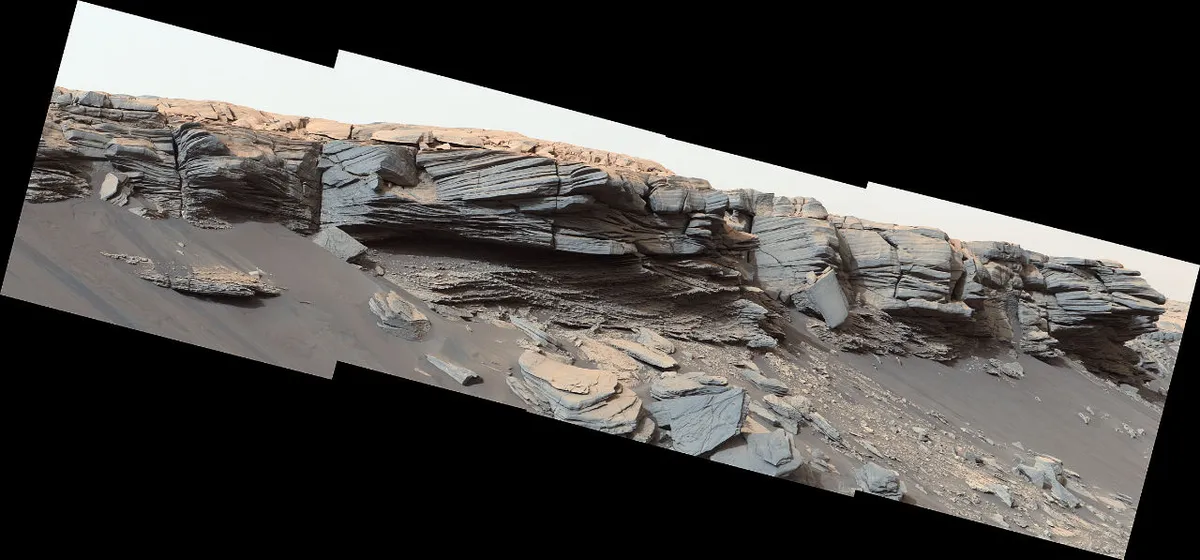
Greenheugh pediment, Mars Curiosity Mars rover, 6 July 2020. Credit: NASA/JPL-Caltech/MSSS
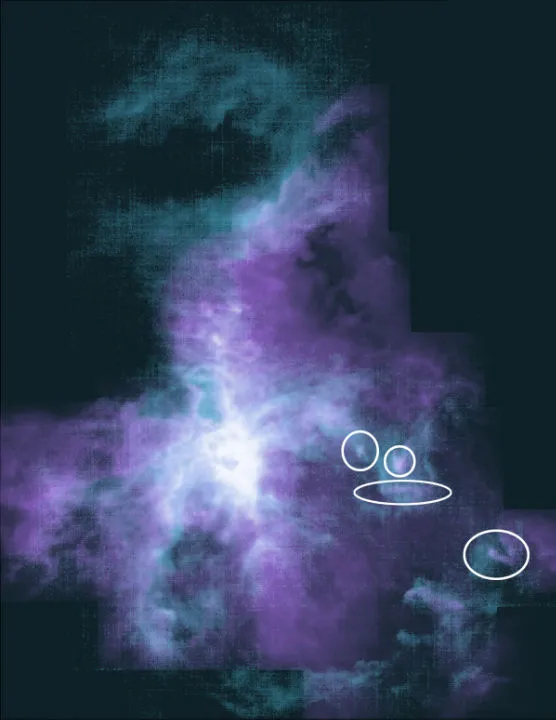
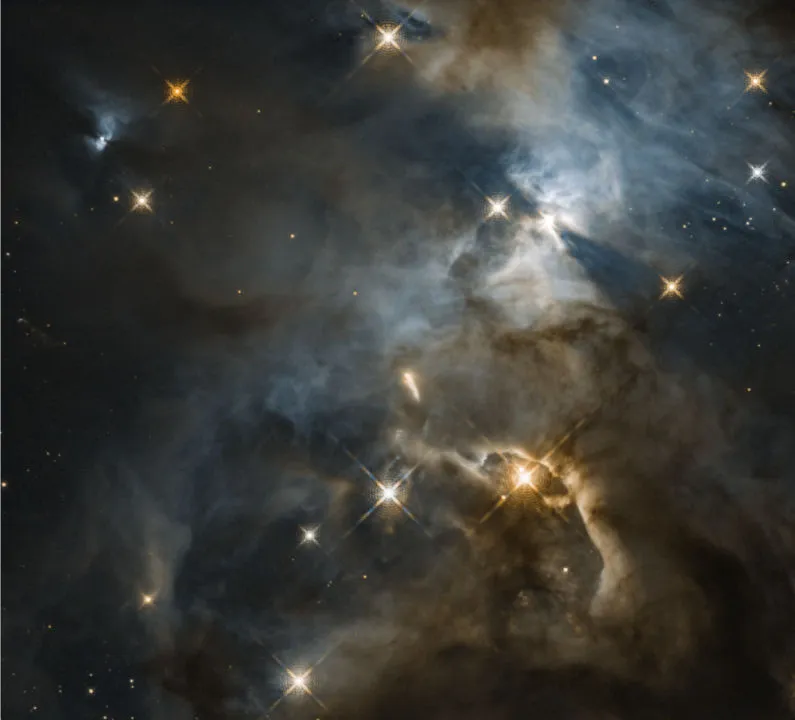
HBC 672’s Bat Shadow Hubble Space Telescope, 13 July 2020. Credit: NASA, ESA, and STScI
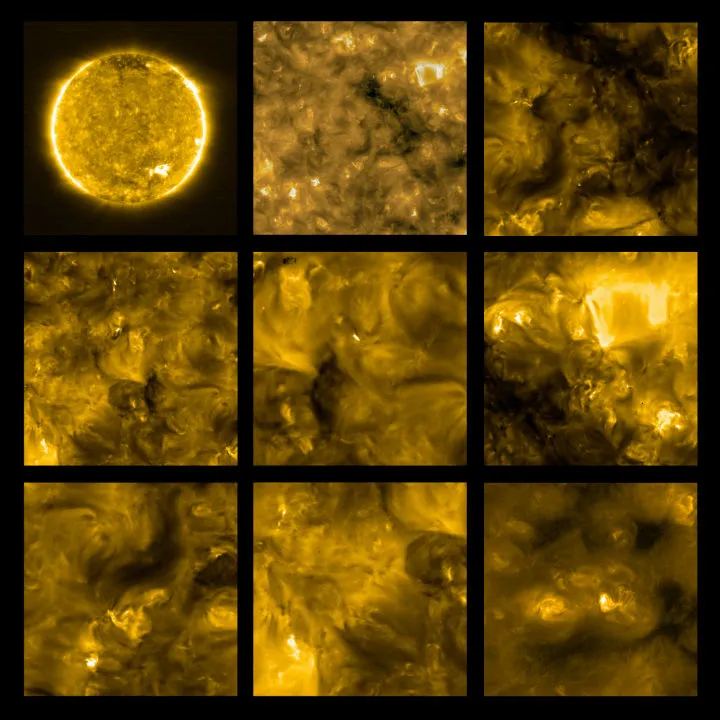
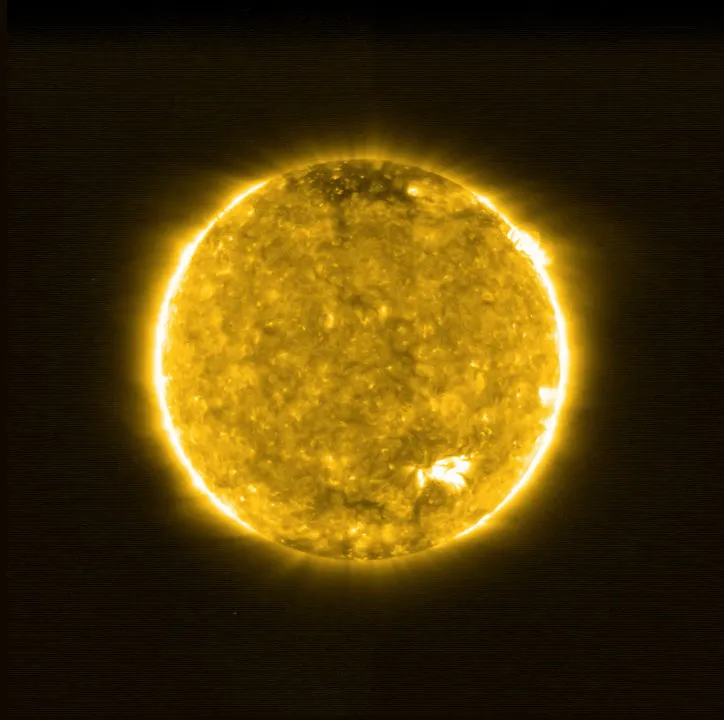
'Campfires’ on the Sun Parker Solar Orbiter, 16 July 2020 Credit: Solar Orbiter/EUI Team; PHI Team; Metis Team; SoloHI Team /ESA & NASA
A view of Venus captured by the Parker Solar Probe as it flew by in July 2020. Credit: NASA/Johns Hopkins APL/Naval Research Laboratory/Guillermo Stenborg and Brendan Gallagher
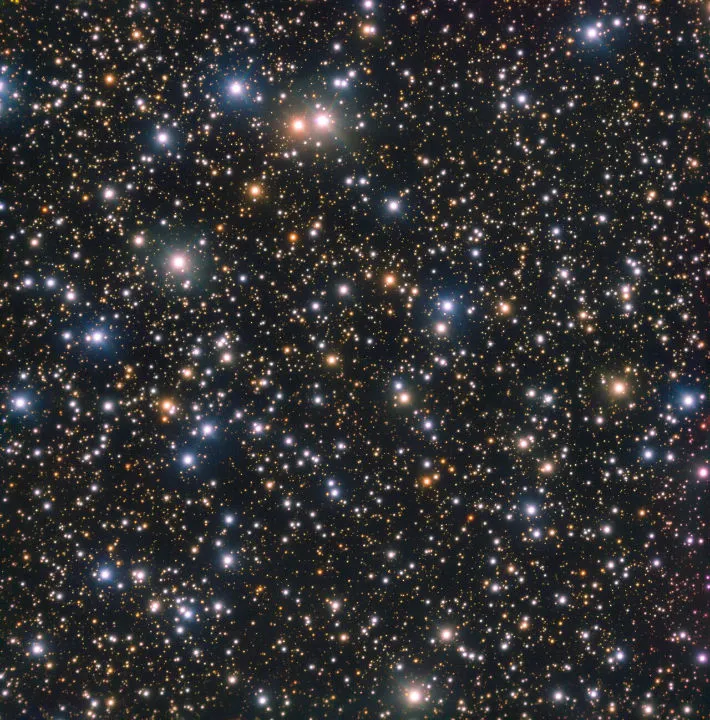
Field of stars in the constellation of Crux. Credit: ESO
Barred spiral galaxy NGC 7513 Hubble Space Telescope, 10 July 2020. Credit: ESA/Hubble & NASA, M. Stiavelli; CC BY 4.0
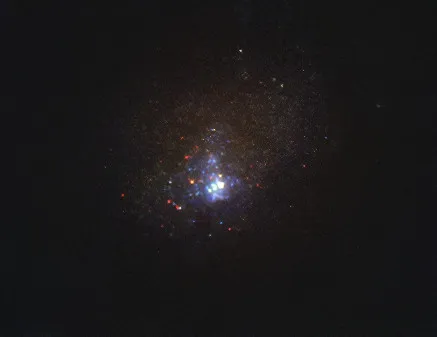
Kinman dwarf galaxy before disappearance of massive star Hubble Space Telescope, 30 July 2020. Credit: NASA, ESA/Hubble, J. Andrews (U. Arizona)
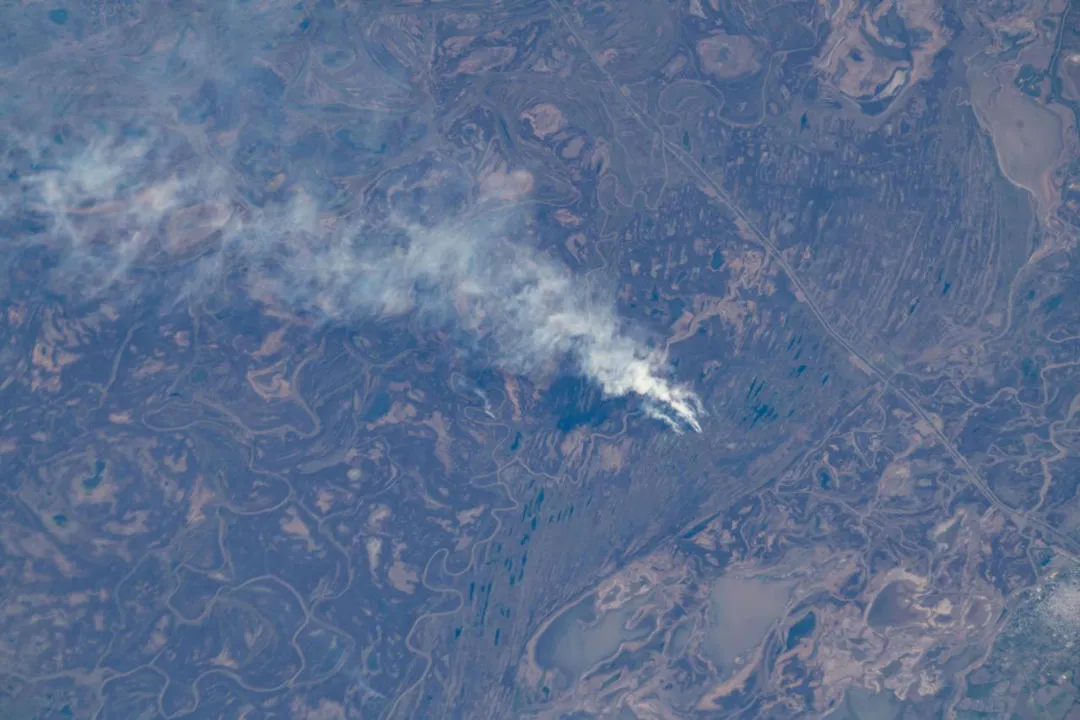
Fires in Argentina, from the ISS International Space Station, 28 June 2020. Credit: NASA
This month's deep-sky tour plan file can be imported into the Argo Navis Digital Telescope Computer using Argonaut software, a free utility available from Wildcard Innovations.Using Argo Navis with this month's deep-sky tour plan file, you can:
• display essential information from the Argo Navis database for each object
• slew your telescope to each object in the plan - requires a compatible mount.
• push your telescope to each object in the plan using the coordinates provided on the Argo Navis display.
To import this month's deep-sky tour plan file into Argo Navis using Argonaut software:
Download and save the file to your hard drive.
Run the Argonaut utility program and transfer the plan into your Argo Navis DTC.
This month's Deep-Sky Tour plan file is produced by Deep-Sky Planner 7 (see knightware.biz/dsp).
Deep-Sky Planner 7 astronomy software for Windows provides the tools you need to make your time at the telescope more efficient and enjoyable.
• sort the objects in the plan according to the best time and order to view each object.
• slew your ASCOM-compatible Go-To mount to each object in the plan - requires ASCOM software (free).
• show a sky chart centered on each object in the plan using one of the top planetarium software titles - requires TheSky, Starry Night, Redshift or Cartes du Ciel (free).
• record your observation in the open, non-proprietary observing log.
Details about Deep-Sky Planner and how to purchase can be found here.
Download the Deep-Sky Planner compatible file of this month's deep-sky tour observing plan file so that you can visit each object directly with Deep-Sky Planner. Save the file to your hard drive and double click it to open it in Deep-Sky Planner.
If you are one of the many astronomers who use the ASCOM driver EQMOD to control your ASCOM-compatible Go-To mount, you can use an add-on application called EQTOUR to call up various sets of sky tours like Messier, Caldwell, Globular Clusters and simply click on an object name to slew to it.
Details about the application and how to download it free of charge can be found here.
Download the EQTOUR compatible file of our monthly Deep-sky tour, so that you can visit each object directly from your EQMod control panel. We've also included a PDF document that explains the system and how to get it installed with your telescope setup.
Copy the .lst file from the folder that appears into the same directory as the EQTOUR application file, EQTOUR.exe, and follow the instructions in the link above.