Despite decades of telescopic observation and orbital reconnaissance, Mars' inner moon Phobos remains one of the least understood bodies in the inner Solar System.
A new Phobos sample-return mission represents a significant advance in planetary science.
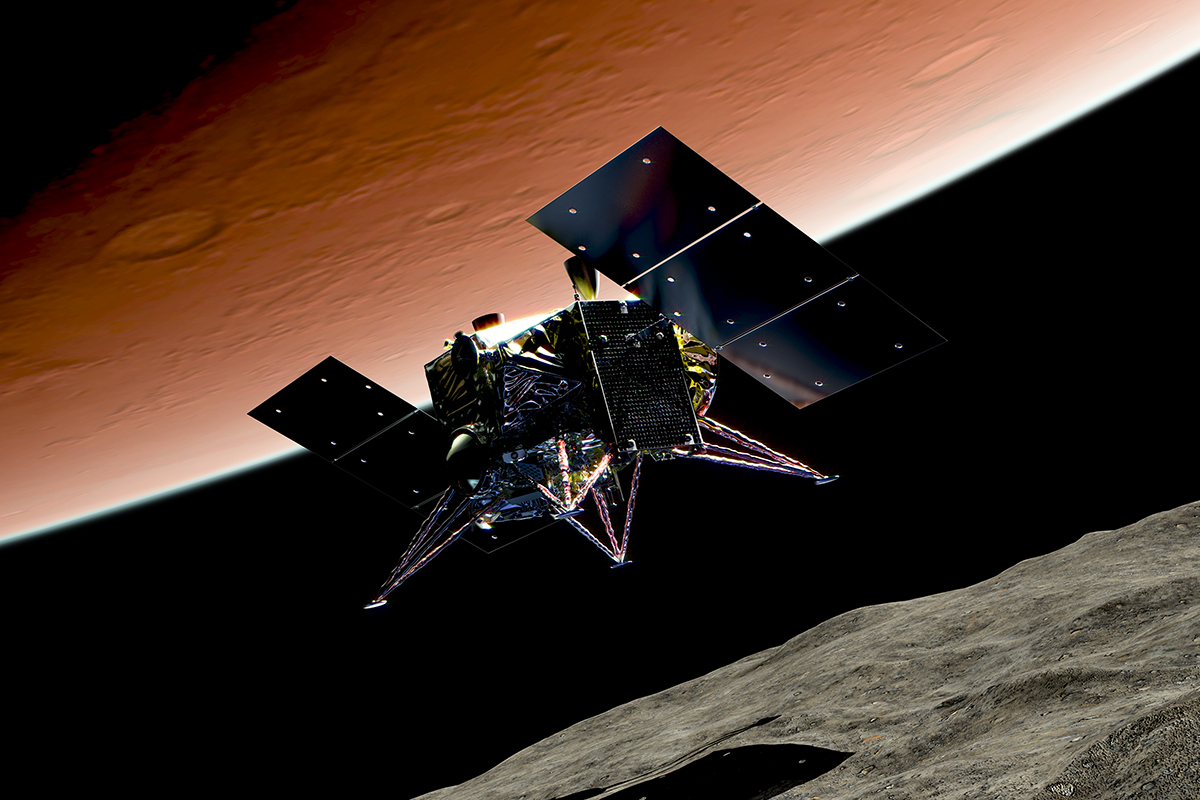
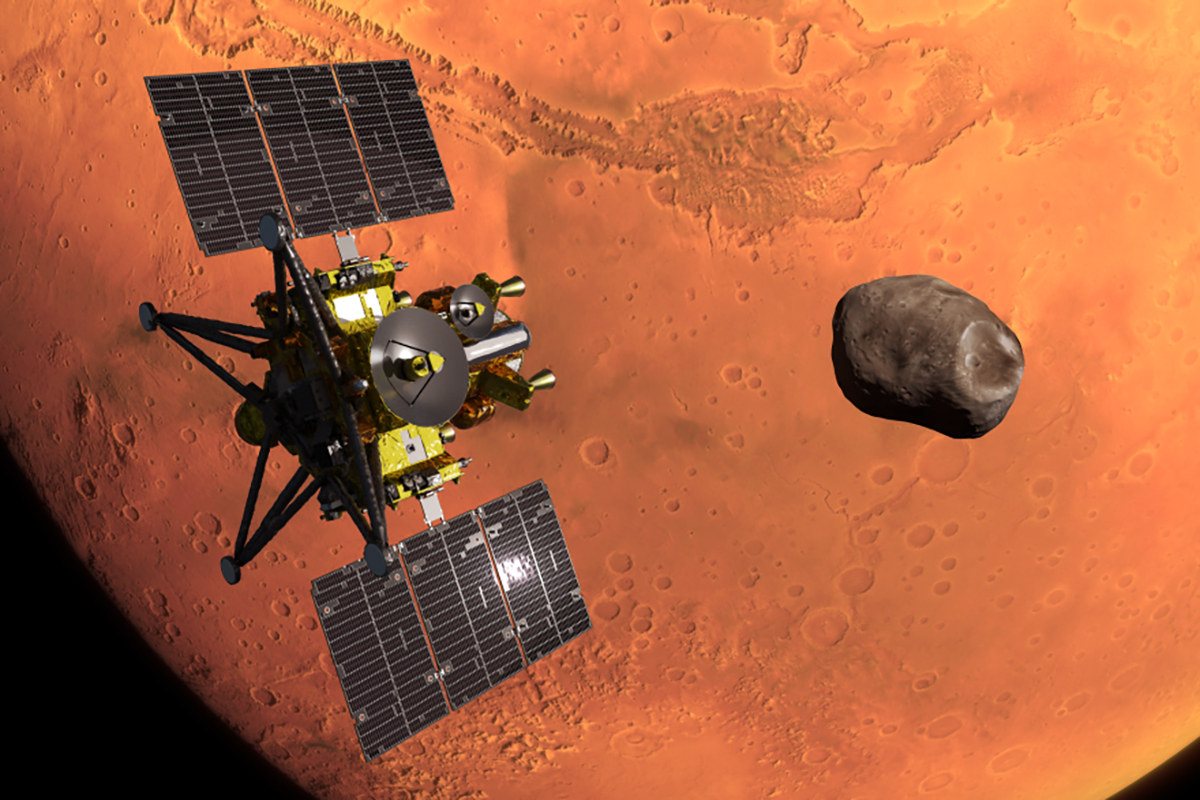
The expedition, Martian Moons eXploration (MMX) led by the Japanese space agency JAXA, launch on 19 October 2026.
It aims to clarify longstanding questions about the moon's origin and, by extension, the geological and potentially biological history of Mars itself.
More amazing Chandra observations
Unresolved questions of origin
The formation of Phobos remains a subject of active scientific debate.
The captured asteroid model proposes that Phobos was gravitationally acquired from the asteroid belt that lies between Mars and Jupiter.
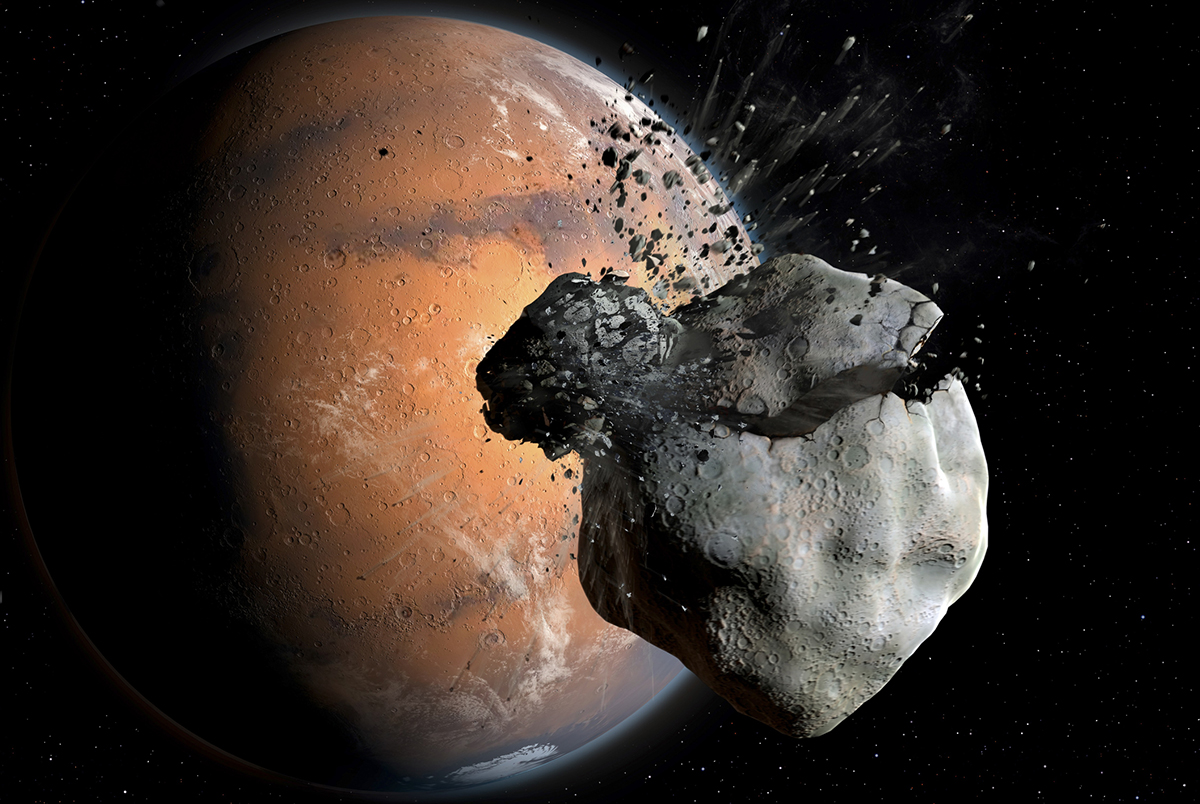
The giant impact model suggests the moon accreted from ejecta produced by a large-scale collision with the Martian surface.
But neither theory perfectly explains the observed properties of Phobos.
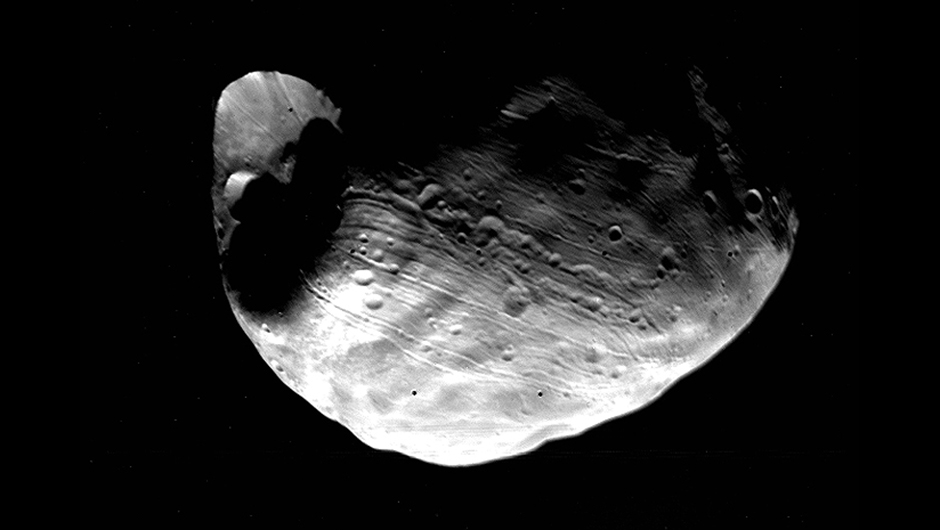
Since these two formation scenarios predict different rock types for Phobos, direct analysis of physical samples returned to Earth will help researchers to understand exactly what the moon is made of in a way that remote sensing alone cannot achieve.
Credit: NASA
If Phobos is a captured asteroid, then we expect to find minerals like those present in asteroids known as carbonaceous chondrites, rich in carbon and minerals containing or modified by the presence of water.
If the moon was formed as a result of a giant impact, then the rocks would have been modified by the heat and energy of the impact, chemically altering the rocks and greatly reducing the content of water-bearing minerals.
The material collected will also be free from the contamination and chemical alteration introduced when extraterrestrial material enters the Earth’s atmosphere as meteors.
Phobos as a proxy for Martian history
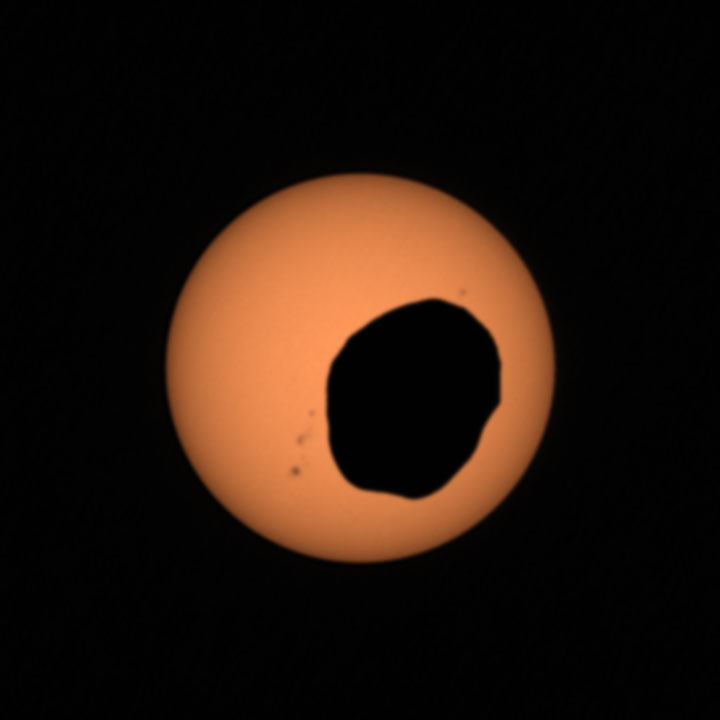
Phobos maintains an exceptionally low orbital altitude of approximately 6,000 km above Mars’s surface.
This proximity means surface material that has been blasted into space by asteroid impacts over the last couple of billion years would be capable of reaching Phobos, where it may have been incorporated into the loose dust and fragments that cover the moon’s surface.
Consequently, samples retrieved from Phobos may contain a composite record of Martian crustal evolution and ancient climate conditions.
We know that Mars was warmer and wetter in the past, so if life on Mars existed, impacts could have ejected traces of it or its byproducts into space, with some material potentially ending up on Phobos.
Finding this type of evidence is a remote possibility, but it adds to the scientific interest of the mission.
What makes this mission possible
Phobos has a diameter of only 22km, making it an object with a very small gravitational pull and a low escape velocity.
Executing a sample-return operation from such a low-gravity body presents considerable engineering complexity.
The mission draws on established expertise from Japan's two prior asteroid sample-return programmes: the Hayabusa missions to Itokawa and Ryugu, which demonstrated the viability of proximity operations, precision landing, surface sampling and Earth re-entry under analogous conditions.
That operational precedent provides a credible technical foundation for addressing the specific challenges Phobos presents.
Timeline and anticipated outcomes
The spacecraft is scheduled to arrive in the Martian system in 2027, at which point high-resolution imaging will provide the most detailed surface characterisation of Phobos to date.
Other instruments include laser ranging to measure the topography, a mobile rover to assess landing sites and spectrometers to assess the mineralogy from orbit, with contributions from the European Space Agency and NASA as well as France, Germany and Australia.
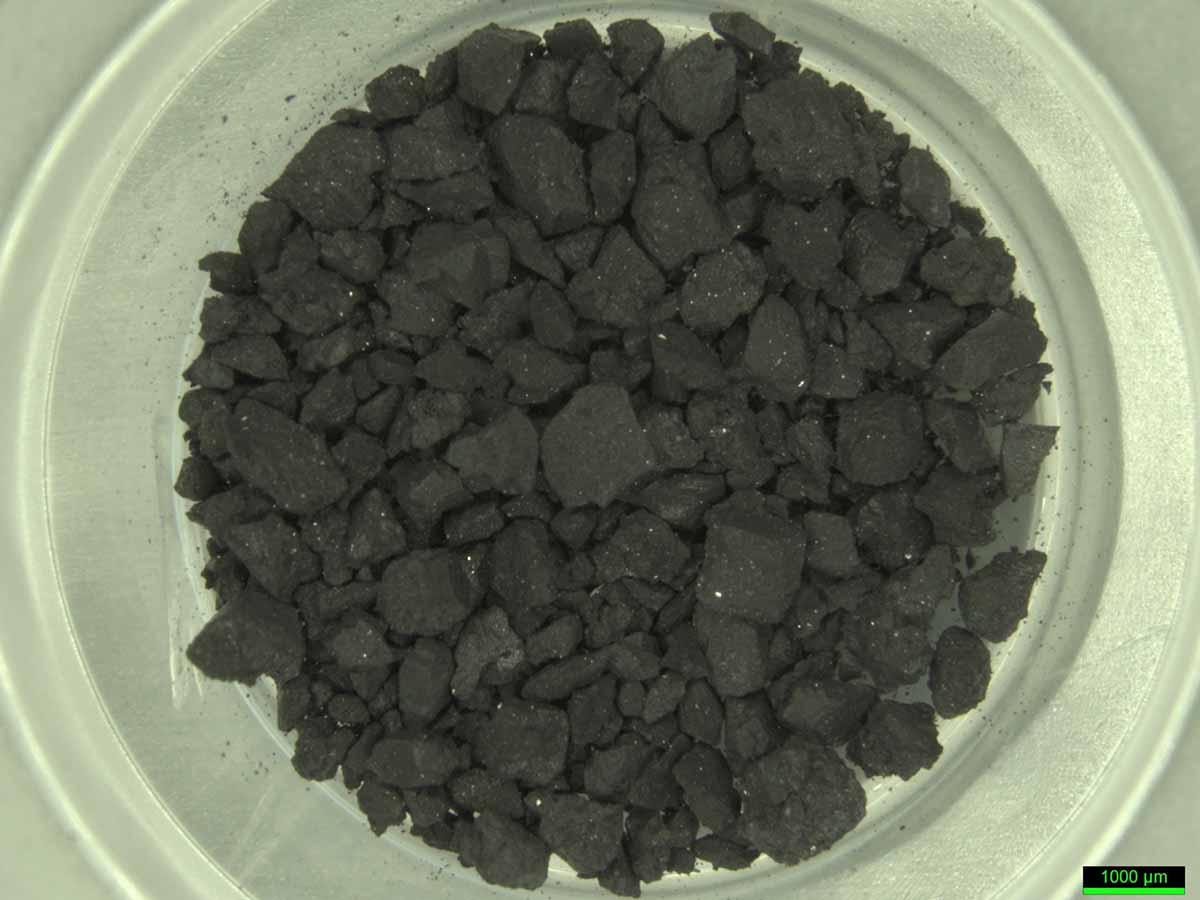
Physical samples are predicted to arrive back on Earth approximately five years from mission launch.
These materials will be made available for laboratory analysis using the full range of contemporary geochemical and isotopic techniques, with results expected to inform multiple subdisciplines across planetary science, astrobiology and Solar System formation research, helping us understand the formation and history of Mars and the wider Solar System.