Neptune is a distant world by any reckoning. As a consequence, the Solar System’s outermost planet doesn’t give up many secrets from our vantage point here on Earth.
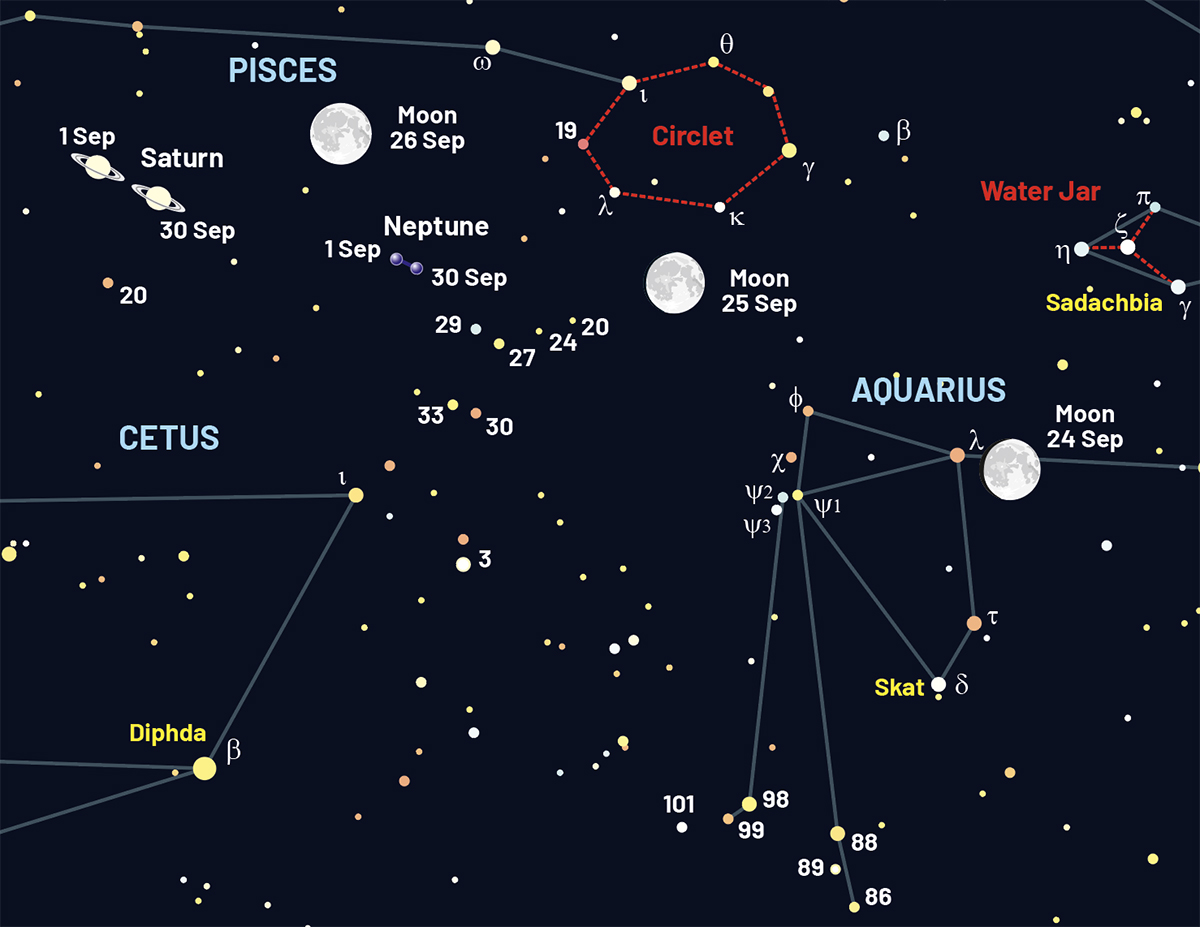
It reaches opposition on 26 September, but its enormous distance means there’s little extra benefit to be had then either.
What is opposition?
Opposition describes when a superior planet – that’s one with an orbit larger than Earth’s – is on the opposite side of the sky from the Sun.
Imagine a straight line running from the Sun, through Earth to the planet.
In this position, the distance between Earth and the planet is at its minimum; as the alignment changes, the Earth–planet distance increases.
For a nearby planet such as Mars, the difference between opposition and other times is significant, the Red Planet appearing much brighter and larger through a telescope at opposition.
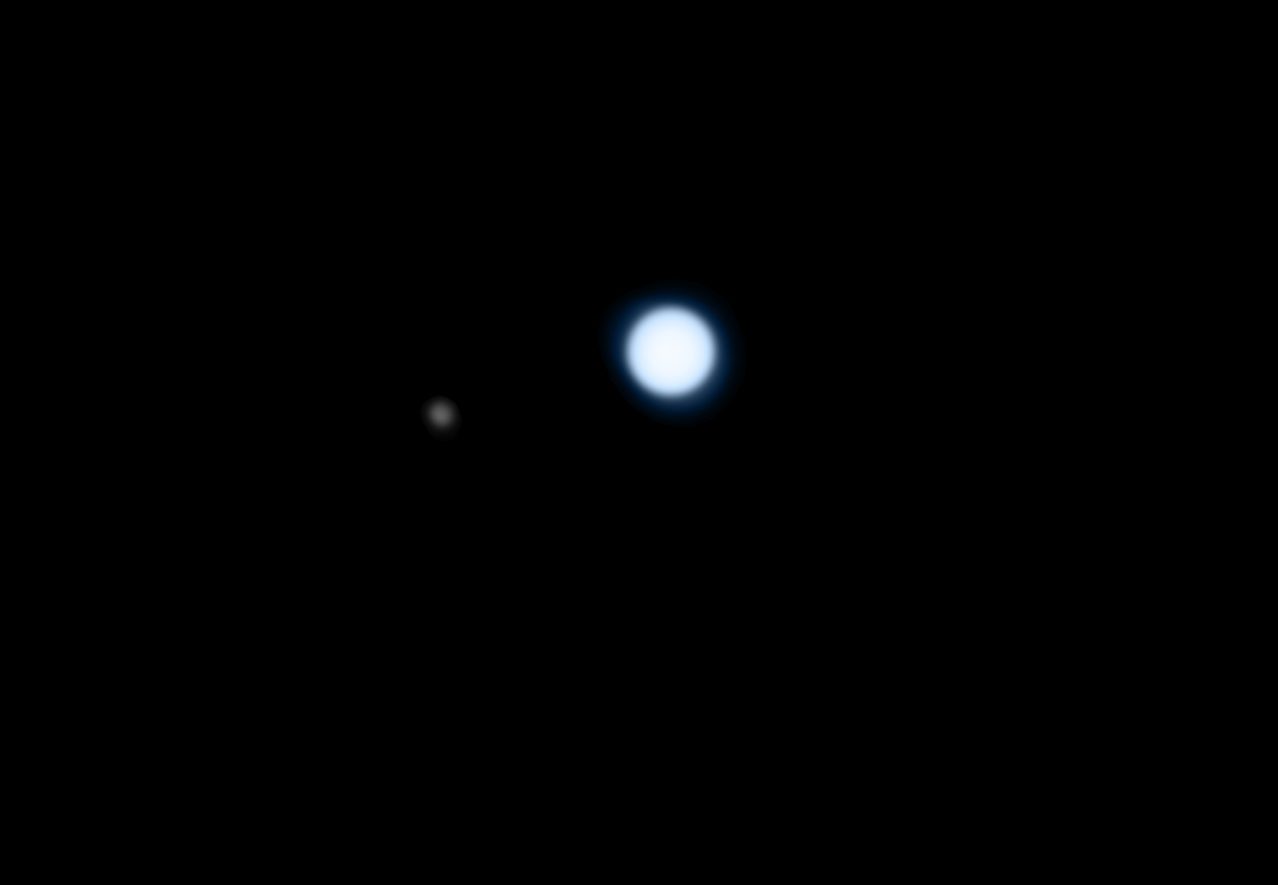
But for the more distant worlds, the effect is less dramatic. Although Neptune does appear a little brighter and a little larger at opposition, it’s not by a margin than we can easily perceive.
At mag. +7.8, you will definitely need optical assistance to see Neptune.
Binoculars can grab it, but a small telescope may be best.
A 150mm telescope reveals its tiny 2.4-arcsecond blue-hued disc.
Those with larger apertures will find Neptune’s largest moon, Triton, is surprisingly easy to see – typically, a scope size around 200mm is needed, but stable conditions may favour smaller apertures.
Neptune is currently 9° west-southwest of Saturn.
Neptune in September 2026 – at a glance
- Best time to see: 26 September, 01:00 BST (00:00 UT)
- Altitude: 37°
- Location: Pisces
- Direction: South
- Features: Small disc, blue colour, largest moon
- Recommended equipment: 150mm or larger
Share your observations and images of Neptune by emailing contactus@skyatnightmagazine.com