As the late ex-Beatle George Harrison wrote, “All things must pass”. His lyrics resonate with our daily affairs, of course, but they also apply to the future of Earth and the rest of our Solar System.
It’s inevitable that all celestial objects will one day ‘pass’, and that includes our Sun, which has a finite amount of fuel to burn through, and its retinue of planets, any one of which could have its orbit interrupted – not to mention the countless smaller objects that are also held by the gravity of our star.
There is a silver lining to the fact that our planetary neighbourhood is evolving, regenerating and recycling over aeons.
More cosmic chaos
We have been lucky enough to witness Jupiter’s Great Red Spot changing colour and shrinking over hundreds of years, for instance. But not all of these changes are so benign.
On the plus side, some of the cataclysmic events that could be heading Earth’s way won’t be a threat in human lifetimes, but we’re not completely in the clear.
Here are four ways the Solar System is out to get us…
Asteroids from above
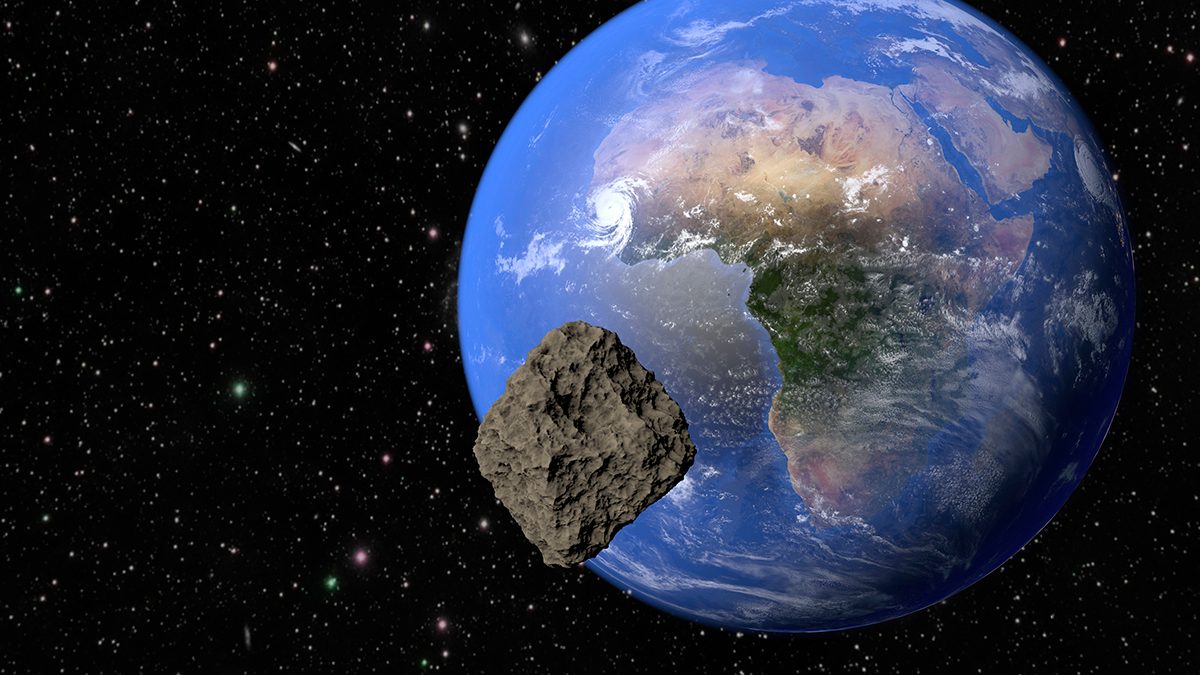
The idea of an asteroid slamming into Earth is not science fiction but science fact.
Space rocks of various sizes have constantly swiped our planet, so it’s a case of when, not if.
The mountain-sized asteroid that struck just off Mexico’s Yucatán Peninsula 66 million years ago left the 150km-wide (90 miles) by 19km-deep (12 miles) Chicxulub crater and caused the extinction of the dinosaurs. It could happen again.
Even a house-sized rock travelling at 48,280 km/h (30,000 mph) would pack the energy equivalent of the Hiroshima bomb and flatten reinforced concrete buildings 8km (5 miles) from ground zero.
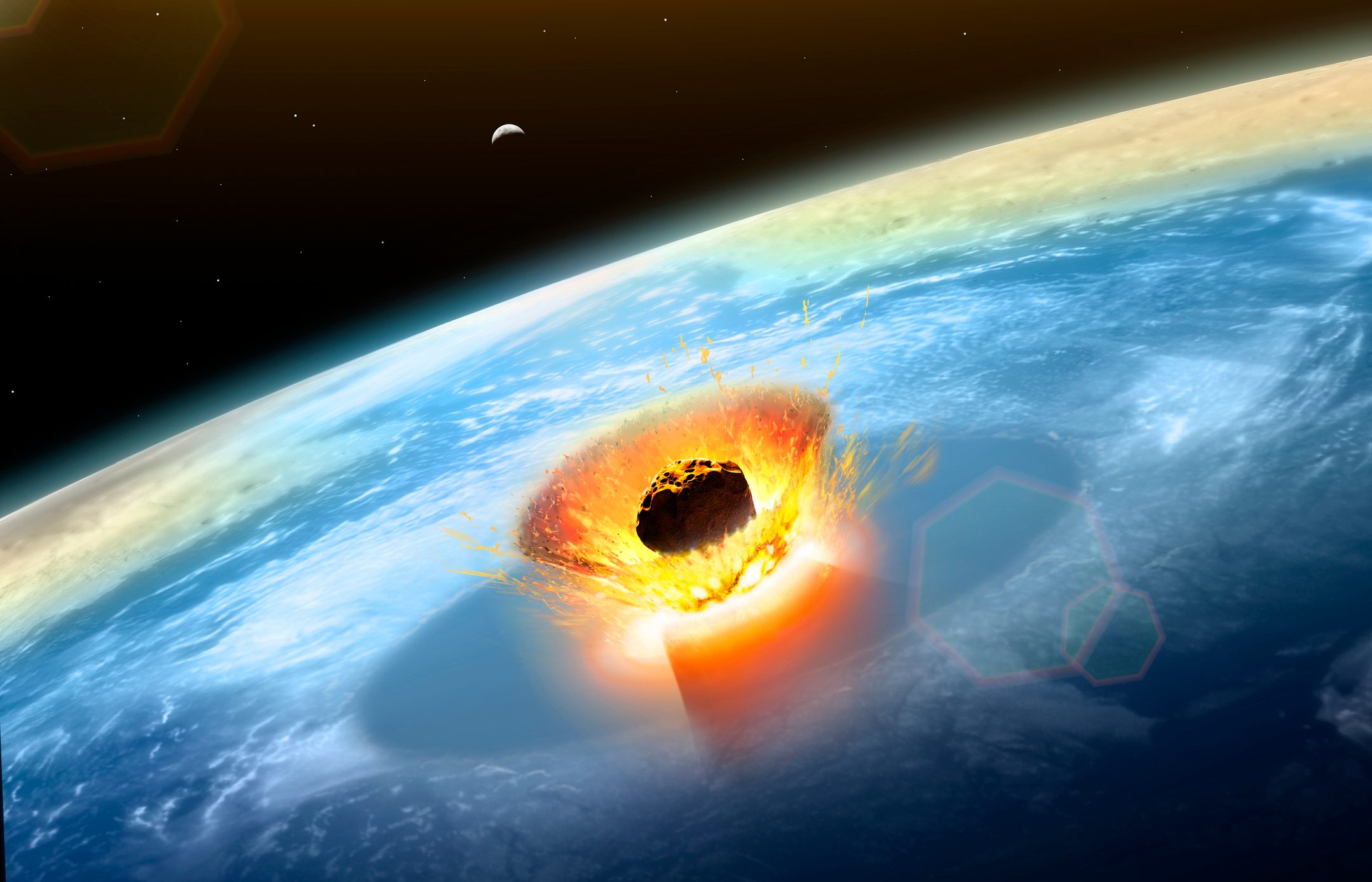
An asteroid 11-13km (7-8 miles) wide walloping the surface would cause monstrous tsunamis, blast water and dust into the atmosphere, block sunlight and ultimately lower global temperatures.
Most life would be extinguished, but it would take a 97km-wide (60 miles) asteroid to wipe out all life as we know it.
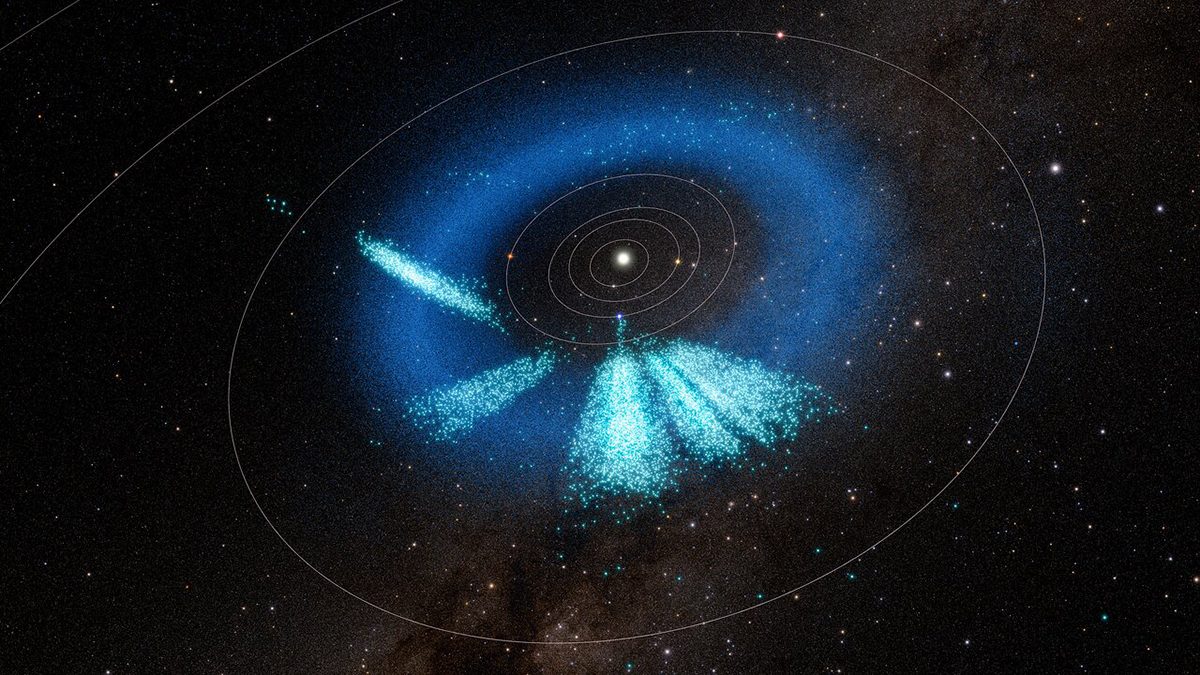
The good news is that most rocks miss us. Moreover, NASA’s Jet Propulsion Laboratory’s Asteroid Watch is on constant lookout for threats.
If there is one, the recent Double Asteroid Redirection Test (DART) on small asteroid Dimorphos proved that humans can alter a rock’s trajectory, possibly averting future annihilation.
Solar System pinball machine
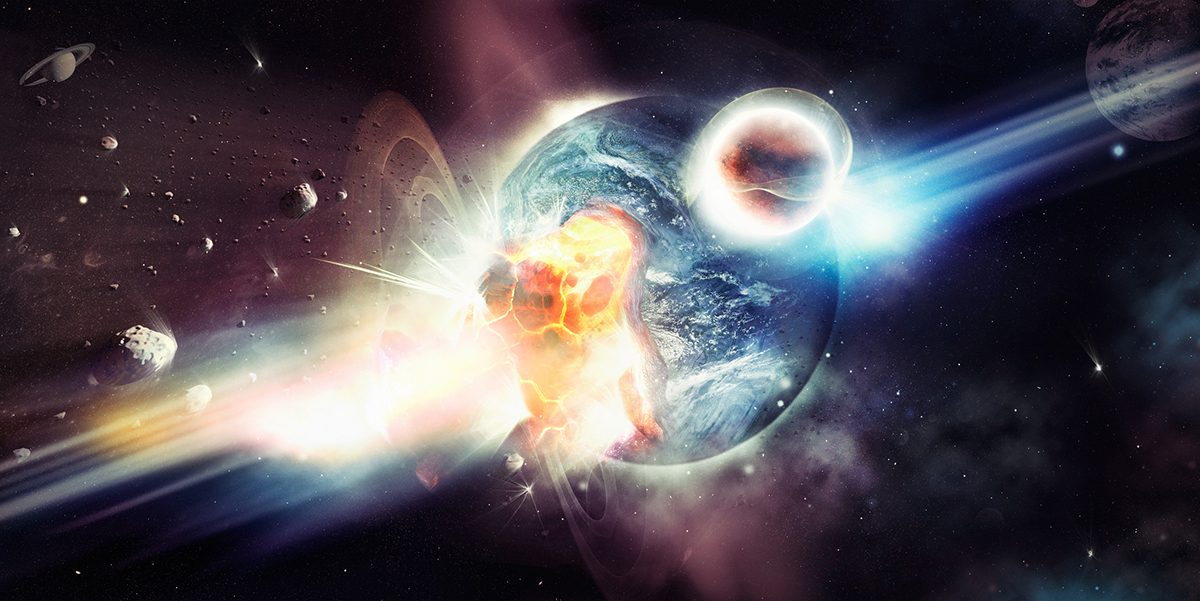
Astronomers think the Solar System will remain stable for 40 million years but thereafter, with gravitational tugs between the planets nudging them from their orbits, things could go awry, resulting in catastrophic collisions between Mercury, Venus, Earth and Mars.
Due to the gravitational pull of Jupiter, there is a small chance that Mercury’s orbit will become seriously elongated over the next 5 billion years.
If Mercury’s eccentricity exceeds 0.6 (where 0 is a perfect circle while 1 is maximum elongation), it could cross Venus’s orbit, destabilising the entire inner Solar System.
Mercury and Mars, at just 6 and 11% of Earth’s mass respectively, would get tossed around but Venus, with 82% of our planet’s mass, would be harder to shift.
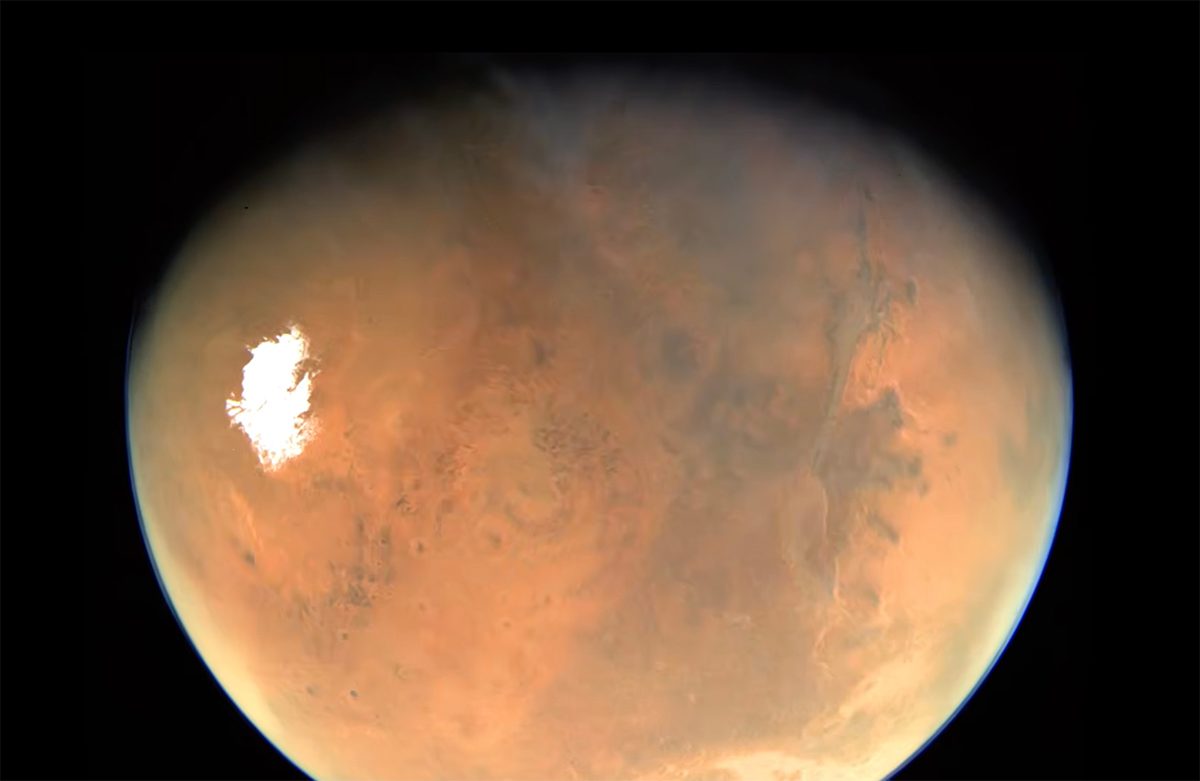
Mars could be flung out of the Solar System entirely after a further 820 million years, with Mercury and Venus colliding some 40 million years later.
If Earth was slammed by a wayward Mercury or Mars, it would, for some 1,000 years, glow at the temperature of a red giant star, its surface smothered by lava.
Simulations even suggest that in 1.3 billion years, Mercury could be tossed into the Sun. Mercifully, it’s a cosmic billiard game destined for a few billion years hence.
Some might even go as far as to say it would make for a fittingly dramatic end to such a unique planet as our own.
Our Moon leaves us behind
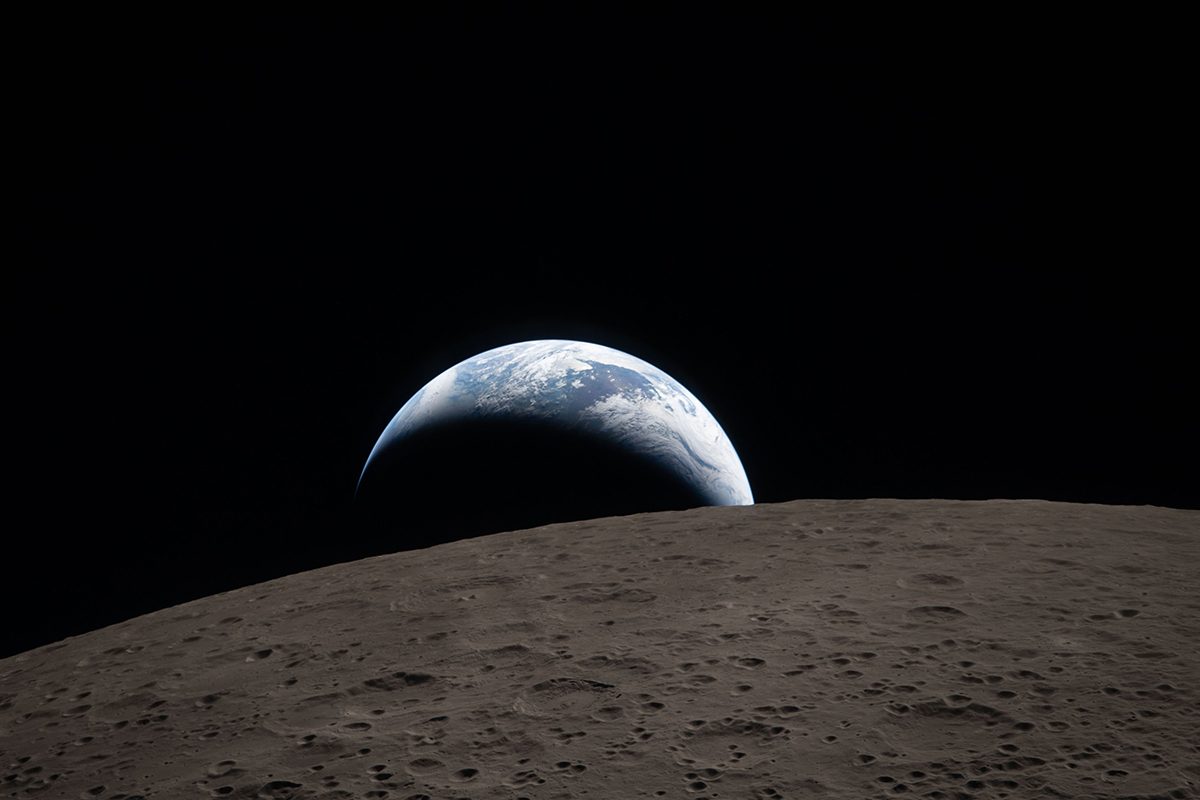
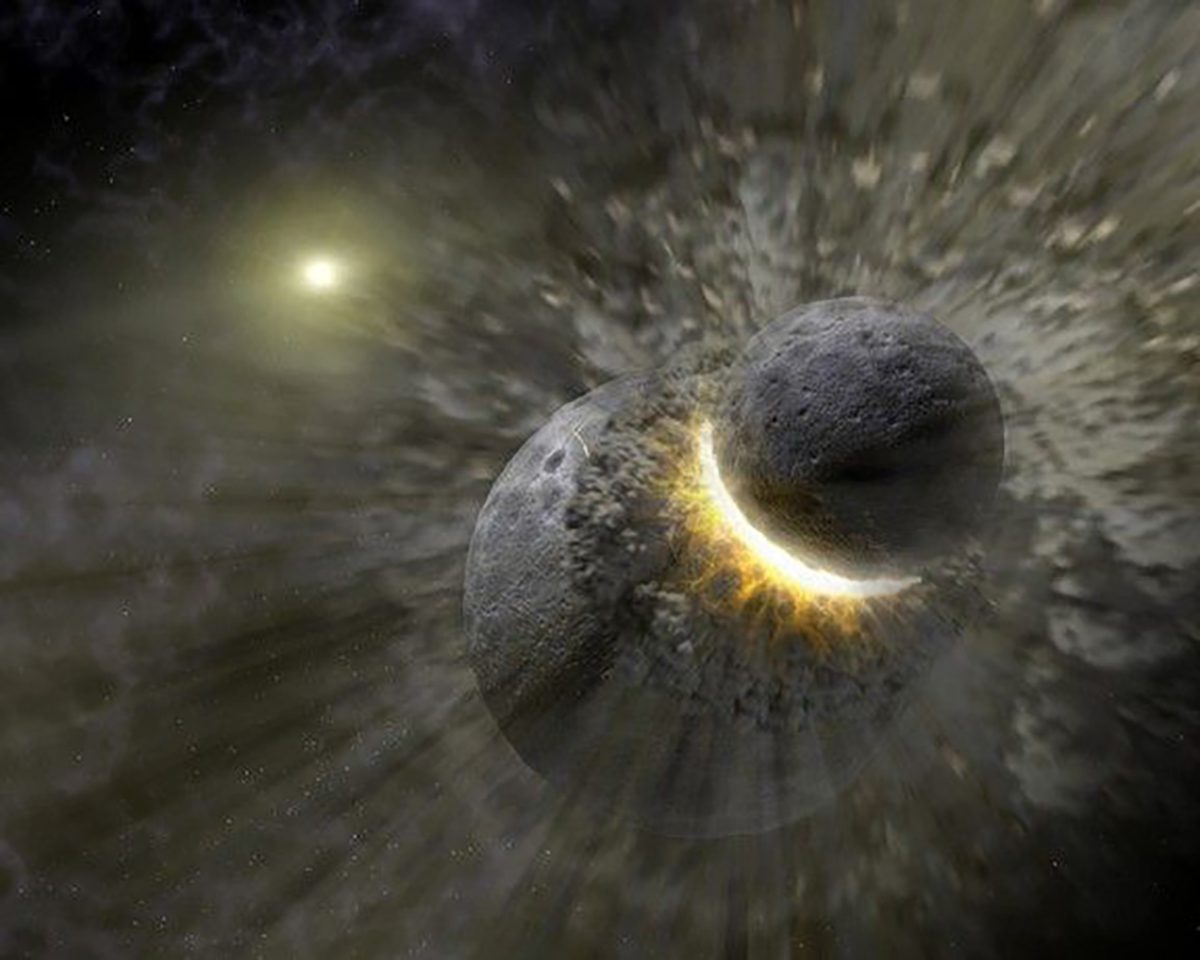
Our Moon has been slowly drifting away from us since it formed, probably after a collision with a protoplanet, Theia, 4.5 billion years ago.
When first created, the Moon was 10 times closer, a day lasted less than 10 hours and it was drifting away from Earth at a rate of 20cm (8in) per year.
By bouncing lasers off mirrors installed on the lunar surface during the Moon missions of the 1960s and 1970s, astronomers can prove this drift is now 3.8cm (1.5in) per year – and it is influencing the future of our planet.
The Moon’s gravity pulls on Earth’s oceans, creating tides that cause drag and slow its spin rate.
The resulting loss of angular momentum is compensated for by the Moon speeding up and thus drifting further away.
Another reason is tidal locking; the Moon once had its own rotational spin, but Earth also exerted a gravitational pull, dissipating energy and slowing the Moon’s rotation until one lunar rotation equalled one orbit of Earth. And that energy dissipation continues.
As the distance increases, the Moon’s pull will lessen and Earth’s tides will become smaller, leading to a loss of coastal ecosystems and a change in ocean currents.
These currents drive and stabilise the weather, meaning the process could cause global climate upheaval.
Just as crucially, the Moon’s gravitational hold also helps stabilise Earth’s tilt toward and away from the Sun – the source of the seasons.
Any change in stability could make seasons as we know them a thing of the past.
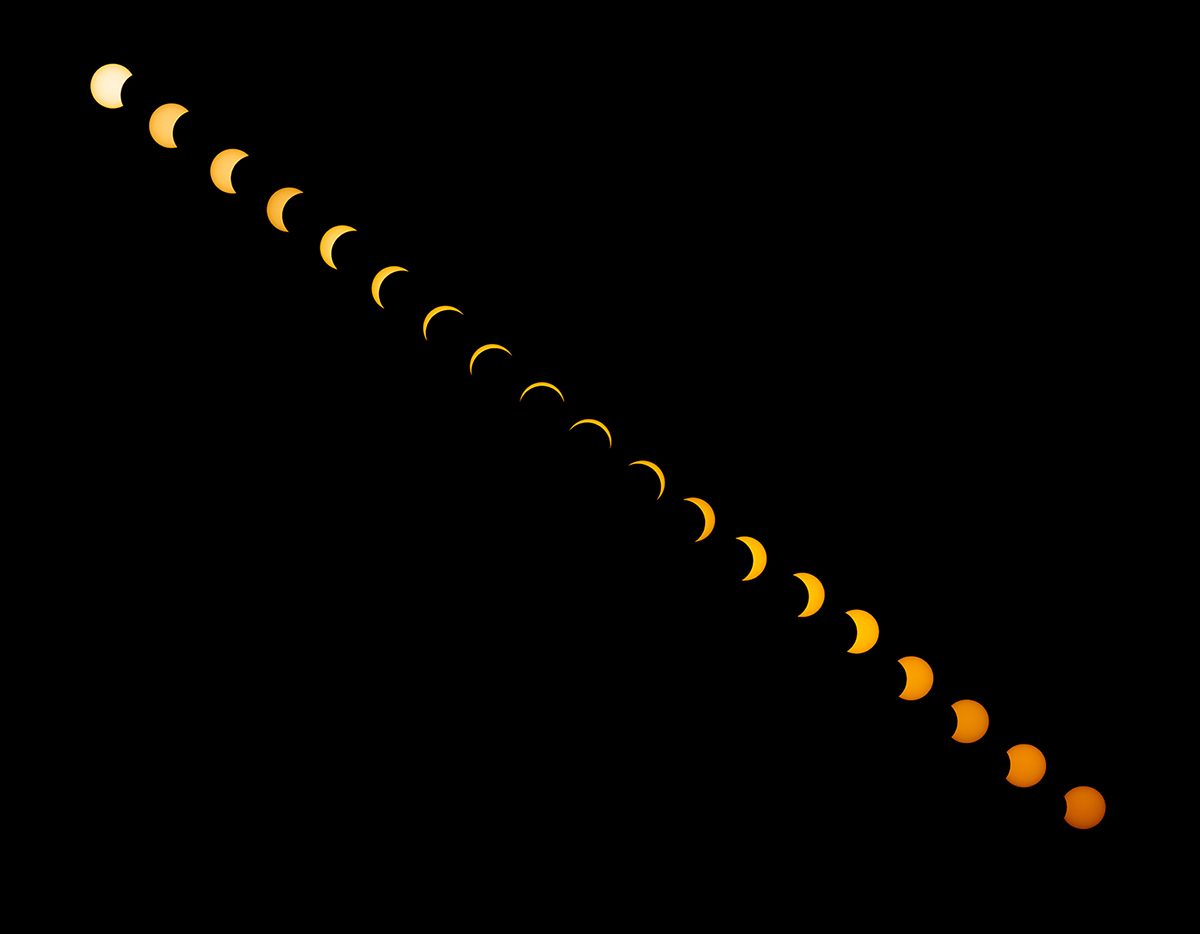
Finally, the number and frequency of total solar eclipses will decrease as well.
The Moon and the Sun appear the same size in the sky because the Sun is 400 times larger than our satellite, but is serendipitously 400 times further away.
Currently an average of 384,400km (238,855 miles) distant, as the Moon continues its drift it will appear smaller and smaller.
In 600 million years, it will be too far away to block the Sun completely, meaning an end to total solar eclipses.
In the meantime, how fortunate we skywatchers are to be around to see such a chance alignment.
Ultimately, indications suggest the Moon will cease receding in around 15 billion years’ time.
But long before that deadline arrives, locked in our planet’s gravitational embrace, both Earth and the Moon will ‘go down together’, engulfed in the death throes of the enormous object anchoring our Solar System – the Sun.
The death of our Sun
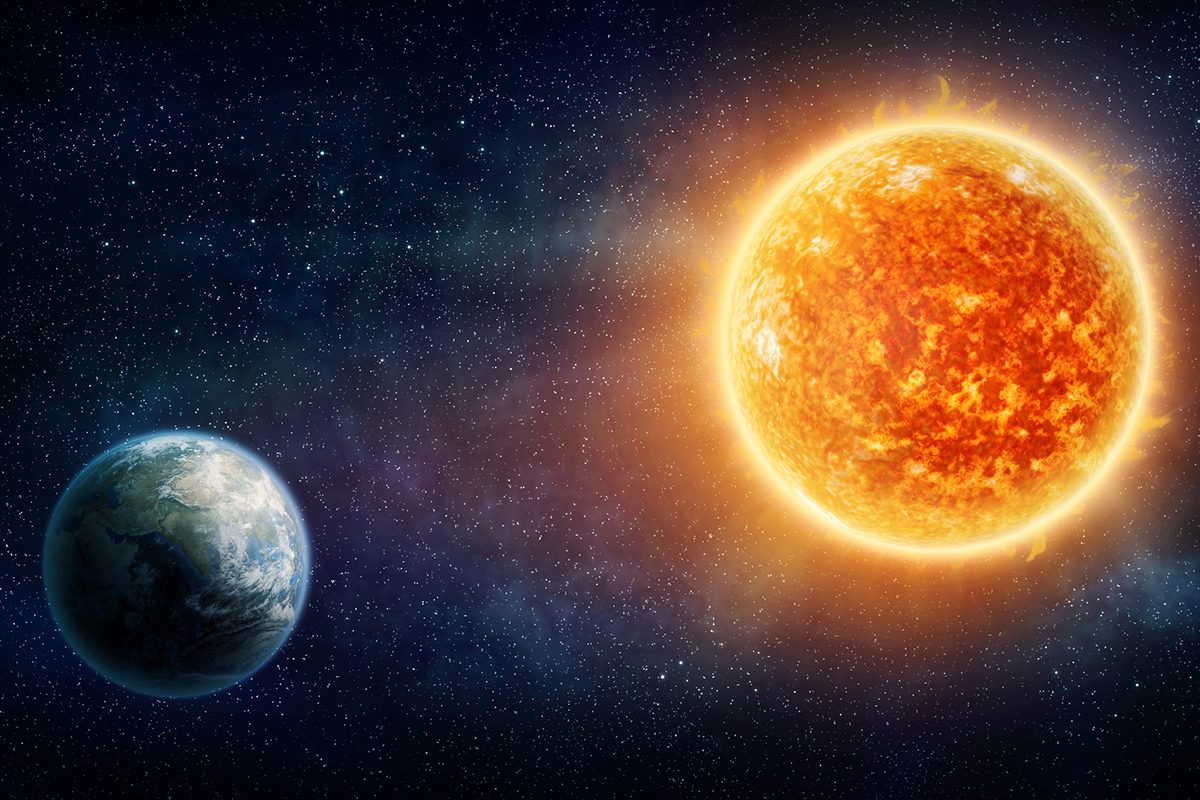
Five billion years from now, our star will exhaust its hydrogen fuel, nuclear fusion will slow and it will contract and heat up.
Helium will then start to fuse into heavier elements such as carbon, nitrogen and oxygen.
Hydrogen will also begin burning in the shell of material surrounding the core.
The prodigious cumulative heat will force the Sun’s outer layer of gas to puff up into an enormous red giant star, filling the entire sky.
Bloated and dying, it will violently eject material in intense episodic bursts, melting, evaporating and devouring the innermost planets Mercury and Venus and threatening Earth.
Even if our planet survives, its surface and atmosphere will be fried by intense radiation and become uninhabitable.
The atmospheres of the gas giants Jupiter and Saturn will similarly erode.
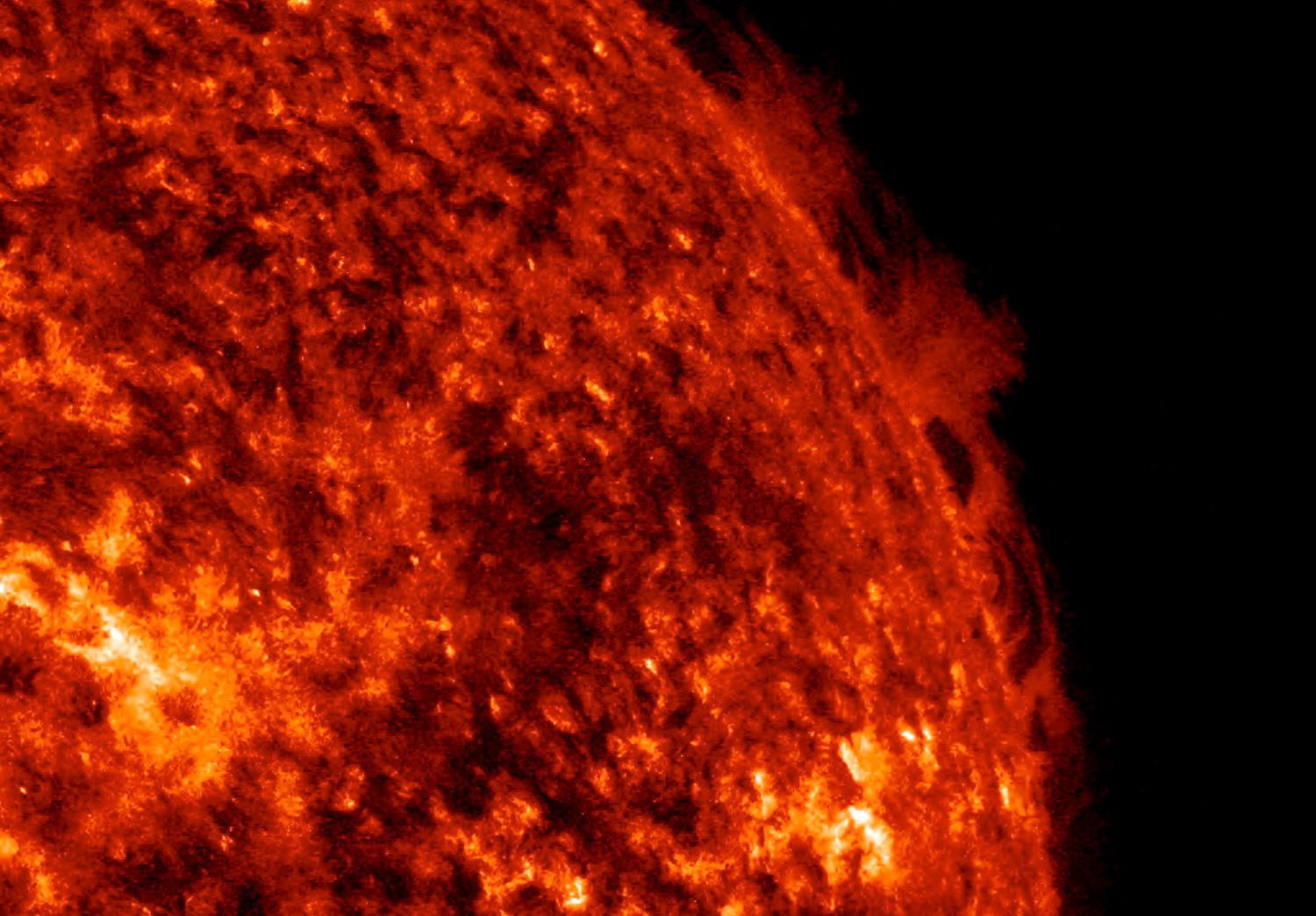
As our dying star loses around half its mass, its gravitational hold on the planets in the Solar System will weaken and their orbits will expand.
The outer planets’ orbits will drift outward and settle twice as far away as they are today.
At this point, far in the future, the Solar System will have one sole surviving piece of real estate: Saturn’s moon, Titan.
Its dense, shrouding atmosphere will offer habitability in its oceans of water-ammonia for several hundred million years.
Whatever the truly long-term future holds for our solar neighbourhood, though, it is sure to be a magnificent journey.